

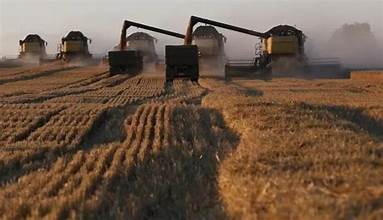
Global wheat supplies are likely to face increased pressure during the 2026/27 season as lower production forecasts emerge from several major exporting regions. Agricultural analysts report that unfavorable weather conditions and reduced crop expectations in countries such as Australia and parts of Europe could limit the amount of wheat available for international trade.
The anticipated decline in production is expected to tighten global grain markets, where demand for wheat remains strong for food processing, livestock feed, and industrial uses. As a result, international wheat prices may remain firm or move higher in the coming months, particularly if additional weather-related challenges affect harvests in key producing nations.
Market observers note that Europe, one of the world’s leading wheat-producing regions, has experienced varying weather conditions that could impact yields in several countries. Meanwhile, concerns over crop performance in Australia have added further uncertainty to global supply prospects.
The tighter supply outlook comes at a time when many countries are closely monitoring food security and inflation. Wheat is a staple food commodity for billions of people worldwide, and changes in its availability often influence the prices of flour, bread, pasta, and other essential food products.
Agricultural economists believe that global wheat inventories could decline if production falls below expectations while consumption continues to grow. Import-dependent nations may face increased procurement costs, prompting governments and grain buyers to secure supplies well ahead of future market fluctuations.
Despite the current concerns, experts emphasize that the final outlook will depend on upcoming harvest results and weather conditions during the remainder of the growing season. Favorable conditions in major wheat-producing areas could help offset some production losses, while further disruptions may lead to additional market volatility.
As global grain markets adjust to changing supply expectations, policymakers, traders, and farmers will continue to monitor production trends closely to ensure stable food supplies and minimize the impact of potential price increases.


 By
By











