

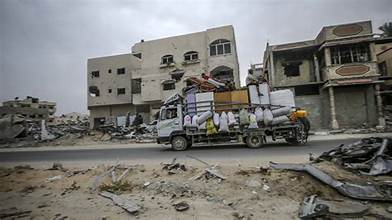
Global food security concerns are intensifying as international agencies warn that ongoing conflicts, climate-related disasters, and disruptions in energy and fertilizer markets are placing millions of people at greater risk of hunger and malnutrition. Experts say the combination of geopolitical instability and environmental stress is creating one of the most challenging periods for global food systems in recent years.
Organizations including the World Bank, the Food and Agriculture Organization (FAO), and the World Food Programme (WFP) have raised alarms over rising food insecurity across developing nations. According to recent assessments, continued disruptions in agricultural supply chains and rising production costs could push millions more people into severe food shortages if the current crisis persists.
One of the major drivers behind the growing crisis is the ongoing geopolitical conflict in the Middle East, particularly around critical energy and shipping routes. Rising oil and natural gas prices have significantly increased the cost of fertilizers, transportation, irrigation, and food processing worldwide. Since agriculture depends heavily on fuel and fertilizer inputs, higher energy costs are rapidly affecting global food production and prices.
Fertilizer markets have become especially vulnerable. Key nutrients such as urea, ammonia, and potash have experienced supply disruptions due to shipping delays, export restrictions, and geopolitical tensions. Many farmers in Asia, Africa, and Latin America are struggling to afford fertilizers, forcing some to reduce usage or cut back on planting. Agricultural economists warn this could lower crop yields in upcoming harvest seasons and further tighten global food supplies.


 By
By











