

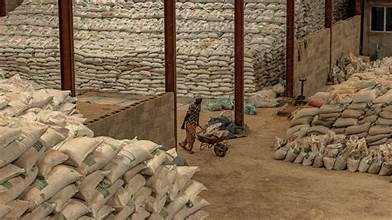
The ongoing conflict in the Middle East is sending shockwaves through the global agricultural sector, disrupting fertilizer exports, increasing fuel prices, and threatening food security across several countries. Experts warn that prolonged instability around the Strait of Hormuz — one of the world’s most critical shipping routes — could significantly reduce global crop production and trigger another wave of food inflation.
The Strait of Hormuz handles nearly one-third of the world’s fertilizer trade and a substantial portion of global oil and gas shipments. Since tensions escalated in the region, shipping activity has slowed dramatically, affecting exports of urea, ammonia, sulphur, and other essential agricultural inputs. Countries across Asia, Africa, and parts of Europe are already witnessing shortages and rapidly rising fertilizer prices.
Asian farmers are among the hardest hit. In major agricultural economies such as Thailand, Bangladesh, the Philippines, and India, the cost of urea and diesel has surged sharply over the past few months. Rising transportation expenses and supply bottlenecks have made fertilizers increasingly unaffordable for small and medium-scale farmers. As a result, many growers are reducing fertilizer application or cutting back on planting altogether.
Agricultural experts fear that reduced fertilizer usage could lead to lower crop yields during upcoming harvest seasons. Nitrogen-based fertilizers like urea play a critical role in boosting productivity for crops such as rice, wheat, and maize. Even a small reduction in fertilizer application can significantly impact output, especially in developing countries where soil fertility levels are already under pressure.
The crisis has also intensified pressure on global food prices. According to the Food and Agriculture Organization (FAO), rising energy costs linked to the Iran conflict are increasing production, irrigation, transportation, and processing expenses throughout the agricultural supply chain. Higher fuel prices are also affecting farm machinery operations and food transportation, adding to inflationary concerns worldwide.
Several fertilizer plants in the Middle East have reportedly slowed or halted operations due to logistical challenges and restricted gas supplies. Analysts estimate that more than half of the region’s urea output has been disrupted since the conflict escalated. This has tightened global supply at a time when many countries are entering crucial planting seasons.
Industry analysts believe the impact could continue for months even if tensions ease soon. Fertilizer markets are highly interconnected, and disruptions in shipping, insurance, and energy infrastructure are expected to keep prices elevated throughout 2026. Farmers in several regions are now reconsidering crop choices and shifting toward less fertilizer-intensive crops to manage rising costs.
Global agencies have warned that the crisis may deepen food insecurity in vulnerable regions if supply chains are not stabilized quickly. Countries heavily dependent on imported fertilizers and fuel are likely to face the greatest challenges in maintaining agricultural productivity and controlling food inflation.
As governments and agricultural organizations search for alternative supply routes and emergency policy measures, the situation highlights how geopolitical conflicts can rapidly affect global farming systems and food availability far beyond the conflict zone.


 By
By











