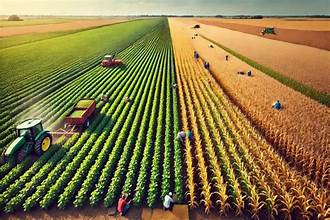
American farmers are expected to plant significantly more soybeans and reduce corn acreage during the 2026 growing season, according to the latest projections from the United States Department of Agriculture (USDA). The shift is being driven by lower production costs, rising demand for soybean oil in the biofuel industry, and increasing uncertainty in global agricultural markets.
USDA analysts say soybean cultivation is becoming more attractive for growers due to comparatively lower fertilizer requirements and improved profit margins. Corn production typically requires heavy nitrogen fertilizer usage, and global fertilizer prices have remained elevated amid geopolitical tensions and supply chain disruptions. In contrast, soybeans demand lower input costs, making them a more economical option for many farmers facing rising operational expenses. (usda.gov)
Another major factor behind the acreage shift is the growing demand for renewable fuels. Soybean oil has become a key feedstock for renewable diesel and sustainable aviation fuel production in the United States. Expanding biofuel policies and investment in clean energy infrastructure have increased demand for oilseed crops, especially soybeans. Commodity analysts believe this trend could continue to support soybean prices throughout 2026. (reuters.com)
The USDA estimates that soybean acreage may reach one of the highest levels in recent years, while corn planting could decline noticeably compared to previous seasons. Farmers in key agricultural states such as Iowa, Illinois, Indiana, and Minnesota are reportedly adjusting planting plans to take advantage of stronger soybean market conditions.
Agricultural economists note that the shift reflects broader structural changes occurring in global farming systems. Rising energy prices, climate-related risks, and changing demand patterns are influencing crop selection decisions in many countries. Soybeans are increasingly viewed as a strategic crop because of their importance in food, feed, and renewable fuel markets.
However, the reduction in corn acreage has also raised concerns among food security experts. Corn remains one of the world’s most critical staple and feed crops, widely used for livestock feed, ethanol production, and food processing. Lower production in the United States — one of the world’s largest corn exporters — could tighten global supplies if adverse weather conditions affect yields later in the season.
At the same time, international food security concerns are intensifying due to climate change, geopolitical instability, and rising food inflation. Global agencies have warned that disruptions in fertilizer trade, extreme weather events, and supply chain bottlenecks are placing increasing pressure on agricultural systems worldwide. Several regions are already facing higher food prices and growing risks of hunger and malnutrition.
Experts say global grain markets remain highly vulnerable to production shocks. Heatwaves, droughts, floods, and unpredictable rainfall patterns continue to threaten crop yields across major producing regions. Any decline in global corn availability could impact livestock feed costs and food prices in import-dependent nations.
Despite these concerns, some analysts believe higher soybean production could partially offset pressure in vegetable oil markets, especially as renewable fuel industries expand. Strong Chinese demand for soybeans and continued growth in biofuel consumption are expected to remain major drivers of global agricultural trade.
The USDA and market observers will closely monitor planting progress, weather conditions, and international demand trends in the coming months. Final acreage decisions and summer weather patterns will play a crucial role in determining how the shift from corn to soybeans affects global agricultural markets and food security during 2026.


 By
By