

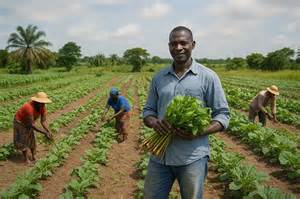
Rising global temperatures and increasingly frequent heatwaves are emerging as one of the biggest threats to global agriculture systems, according to new warnings from the Food and Agriculture Organization (FAO) and the World Meteorological Organization (WMO). Scientists and agricultural experts say extreme heat is already damaging crop production, livestock health, fisheries, and farm labor productivity across multiple regions, raising concerns about future food security.
Climate experts report that prolonged heatwaves have intensified sharply over the past decade, affecting both developed and developing nations. Record-breaking temperatures in Asia, Europe, Africa, and the Americas are disrupting planting cycles, reducing soil moisture, and increasing water stress for crops. Agricultural systems that depend heavily on stable weather conditions are becoming increasingly vulnerable to climate-related shocks. (wmo.int)
According to FAO assessments, staple crops such as maize, wheat, rice, and soybeans are among the most vulnerable to rising temperatures. Even small increases in average temperature during critical growth stages can significantly reduce crop yields. Heat stress affects pollination, grain filling, and plant development, leading to lower productivity and poorer crop quality. In several regions, farmers are already reporting shorter growing seasons and declining harvests linked to extreme weather conditions. (fao.org)
Maize production has been particularly affected in parts of Africa and South America, where prolonged dry spells and heatwaves have reduced yields. Wheat-producing regions in Europe and Central Asia are also facing rising risks from heat stress during flowering stages. In Asia, rice farmers are dealing with warmer nights and irregular rainfall patterns that are impacting grain development and increasing irrigation demand.
Livestock systems are also under severe pressure. High temperatures reduce feed intake, fertility, and milk production in cattle, poultry, and other farm animals. Heat stress can weaken animal immunity and increase mortality rates during prolonged extreme weather events. Farmers in several countries are being forced to invest more in cooling systems, water supply, and veterinary care to protect livestock from rising temperatures.
The fisheries sector is experiencing major disruptions as warming oceans and marine heatwaves affect fish migration, breeding patterns, and aquatic ecosystems. Coastal fishing communities are reporting declining catches in some regions due to changing water temperatures and habitat degradation. Experts warn that continued ocean warming could threaten global seafood supplies and the livelihoods of millions dependent on fisheries.
Another growing concern is the impact of extreme heat on agricultural labor productivity. Farm workers exposed to prolonged high temperatures face increased health risks, dehydration, and reduced working capacity. The International Labour Organization estimates that heat stress could significantly reduce agricultural working hours in tropical and subtropical regions during the coming decades.
The FAO and WMO have urged governments to accelerate climate adaptation strategies in agriculture. Recommended measures include developing heat-tolerant crop varieties, improving irrigation efficiency, adopting climate-smart farming practices, strengthening early warning systems, and investing in sustainable water management. Experts also emphasize the importance of reducing greenhouse gas emissions to limit long-term climate impacts on global food systems. (wmo.int)
Scientists warn that without urgent action, extreme heat events could increasingly threaten global food production, raise food prices, and deepen hunger risks in vulnerable regions. As climate change accelerates, agriculture systems worldwide may face mounting challenges in maintaining stable and sustainable food supplies for a growing global population.


 By
By











