

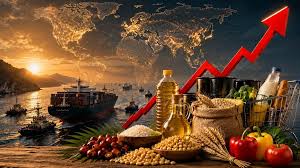
Global food prices climbed to their highest level in nearly three years in April 2026, reflecting growing pressure on international agricultural markets. According to the Food and Agriculture Organization (FAO), food prices increased for the third consecutive month as rising vegetable oil prices, higher fertilizer costs, and expensive energy supplies pushed overall market values upward.
The latest increase has been largely linked to geopolitical tensions in the Middle East, which have disrupted energy markets and raised concerns over global supply chains. Higher crude oil and transportation costs are directly affecting agricultural production and food distribution worldwide, making farming operations more expensive in many countries.
Analysts say vegetable oils have seen some of the sharpest price increases due to tighter export supplies and strong international demand. At the same time, fertilizer prices have continued to rise because of higher natural gas costs and supply uncertainties in key exporting regions. Since fertilizers are essential for crop production, the increase is expected to raise cultivation expenses for farmers globally.
Experts warn that prolonged increases in food and farm input prices could place additional financial pressure on developing nations that depend heavily on food imports. Consumers in several countries are already facing higher retail prices for essential commodities such as cooking oils, grains, dairy products, and processed foods.
Agricultural economists also believe that climate-related production risks and ongoing geopolitical instability may continue to influence food inflation during the coming months. Weather disruptions in major crop-producing regions, combined with rising freight and energy expenses, are adding uncertainty to global food markets.
Despite improved harvest prospects in some countries, market sentiment remains cautious as governments and traders closely monitor developments in energy supply routes and international trade flows. Experts suggest that stabilizing fuel markets and ensuring uninterrupted agricultural trade will be critical for easing global food price pressure in the near future.


 By
By











