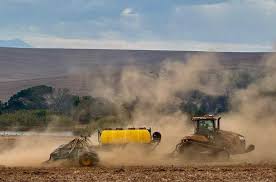
The Food and Agriculture Organization (FAO) has warned that rising energy and fertilizer prices are creating fresh uncertainty for global crop production in 2026, particularly for major commodities such as wheat and maize.
According to the organization, increasing production costs are placing significant financial pressure on farmers worldwide and influencing sowing decisions in several key agricultural regions. Analysts say higher fertilizer, fuel, and transportation expenses are compressing farmer profit margins at a time when weather-related risks and market volatility are already affecting agricultural planning.
The FAO noted that global wheat and maize production outlooks remain uncertain due to the combined impact of expensive agricultural inputs and unstable energy markets. Farmers in many countries are reportedly reconsidering crop acreage, reducing fertilizer applications, or shifting toward crops that require lower investment costs.
Agricultural economists warn that reduced fertilizer usage could negatively affect crop yields and grain quality during the upcoming production cycle. In some developing economies, small and medium-scale farmers are facing difficulties accessing affordable farm inputs, increasing concerns over productivity and food security.
Rising energy costs are also affecting irrigation, harvesting, storage, and transportation operations across global agricultural supply chains. Experts say these additional expenses are contributing to higher food inflation and increased pressure on import-dependent countries.
The report highlights that geopolitical tensions and disruptions in international trade routes continue to influence fertilizer availability and pricing. Countries heavily reliant on imported fertilizers and fuel supplies are considered particularly vulnerable to prolonged market instability.
Climate-related risks are adding further uncertainty to global production prospects. Droughts, heatwaves, and irregular rainfall patterns in major grain-producing regions are making it more difficult for farmers to accurately plan planting schedules and input usage.
Despite these challenges, the FAO emphasized that stable agricultural trade, investment in sustainable farming technologies, and stronger policy support for farmers could help reduce risks to future crop production. Experts believe improving access to efficient fertilizers, renewable energy solutions, and climate-resilient farming practices will be essential for protecting global food supplies in the coming years.


 By
By