

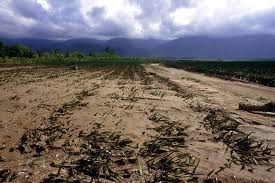
A new international report has raised serious concerns about the impact of climate change on global agriculture, warning that rising temperatures, erratic weather patterns, and prolonged climate instability are reducing crop productivity in several major food-producing regions around the world.
According to the report, extreme heat events and changing rainfall patterns are increasingly affecting the yields of key crops such as soybeans, corn, coffee, and wheat. Major agricultural economies including Brazil, India, and parts of North America are already witnessing growing production challenges linked to climate stress.
Researchers noted that prolonged heatwaves, drought conditions, irregular monsoon activity, and sudden floods are disrupting planting and harvesting cycles. In several regions, farmers are reporting lower crop quality, reduced yields, and increasing irrigation demands as temperatures continue to rise.
Soybean and corn production have been particularly vulnerable to high temperatures during flowering and grain-filling stages, while coffee-growing regions are experiencing declining productivity due to heat stress and shifting rainfall patterns. Wheat-producing areas are also facing increased risks from dry weather and temperature fluctuations during critical growth periods.
The report warns that climate instability could intensify food security concerns if adaptation measures are not implemented quickly. Lower agricultural output combined with rising production costs may contribute to higher global food prices and increased pressure on import-dependent countries.
Agricultural experts emphasized that smallholder farmers are among the most vulnerable groups, especially in developing economies where access to climate-resilient seeds, irrigation systems, and crop insurance remains limited. Rising temperatures are also increasing the spread of pests and crop diseases, creating additional risks for global food production.
Scientists and policymakers are calling for stronger investment in climate-smart agriculture, sustainable water management, drought-tolerant crop varieties, and early warning systems to reduce future agricultural losses. Many experts believe international cooperation will be essential to protect global food systems from worsening climate-related disruptions.
The report further highlights that agriculture itself is both affected by and contributes to climate change, making sustainable farming practices increasingly important for long-term food security and environmental stability.


 By
By











