

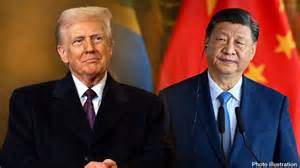
A fresh round of high-level negotiations between the United States and China has sparked renewed optimism across global agricultural markets, as Beijing signaled a major increase in imports of American farm commodities. The development is being viewed as a significant step toward stabilizing trade relations between the world’s two largest economies while also creating new opportunities for U.S. farmers and exporters.
According to officials familiar with the discussions, China is considering tariff reductions and broader market access measures for several U.S. agricultural products. The move comes after months of diplomatic engagement aimed at easing trade tensions and strengthening economic cooperation. Industry analysts believe the renewed buying activity could reshape international agri-trade flows and influence commodity prices worldwide.
China has already resumed purchases of key American agricultural commodities, including soybeans, wheat, sorghum, beef, and poultry products. The return of Chinese demand is especially important for U.S. soybean growers, as China remains the largest soybean importer in the world. Increased Chinese buying is expected to support U.S. farm incomes and improve export prospects during the upcoming marketing season.
Agricultural economists say the reopening of the Chinese market could help stabilize grain prices that have remained volatile due to geopolitical tensions, changing weather patterns, and fluctuating global demand. Wheat and sorghum exporters are also expected to benefit as China seeks to strengthen food security and diversify its supply chains.
The livestock sector may witness major gains as well. U.S. beef and poultry producers had faced trade restrictions and reduced exports in recent years due to tariffs and regulatory barriers. With Beijing now signaling easier access for American meat products, exporters are hopeful that shipments to China will rise significantly over the coming months.
Market experts believe the latest development reflects China’s growing need for reliable agricultural imports to meet domestic consumption demand. Rising urbanization, changing dietary habits, and pressure on domestic food production have increased the country’s dependence on imported feed grains and protein products.
For American farmers, the announcement comes at a critical time. Many producers have been dealing with lower commodity prices, rising input costs, and uncertain export markets. Stronger demand from China could provide financial relief and encourage increased planting and production decisions in the next crop cycle.
Global agricultural trade could also experience broader shifts if China continues expanding purchases from the United States. Competing exporters such as Brazil, Argentina, and Australia may face increased competition in some commodity segments. At the same time, shipping, logistics, and commodity trading companies are expected to closely monitor the evolving trade environment.
Despite the positive momentum, analysts caution that long-term stability will depend on continued diplomatic cooperation between Washington and Beijing. Trade relations between the two countries have experienced several periods of uncertainty over the past decade, often affecting agricultural markets worldwide.
Still, the latest signals from China have generated optimism throughout the global farming community. If the proposed tariff reductions and expanded market access measures are implemented successfully, the agreement could mark a new chapter in U.S.-China agricultural trade relations and provide a much-needed boost to the international agriculture sector.


 By
By











