

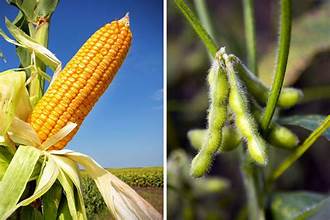
The United States Department of Agriculture (USDA) has projected another strong year for corn and soybean production in Brazil, reinforcing the country’s growing dominance in global agricultural markets. According to the latest outlook, favorable weather conditions, improved crop management practices, and expansion in harvested area are expected to support high production levels during the upcoming marketing season.
Brazil has emerged as one of the world’s most important agricultural producers over the past decade, especially in soybean and corn exports. Analysts say the country’s continued production growth is strengthening its role as a major supplier of grains to international markets, particularly for countries in Asia, the Middle East, and Europe.
The USDA report indicates that Brazilian farmers are expected to maintain large-scale soybean planting due to strong international demand and profitable export opportunities. Corn production is also projected to remain robust, supported by favorable rainfall patterns and improved productivity in key producing states.
Soybean Production Continues to Expand
Soybean remains Brazil’s most important agricultural export commodity. Rising global demand for soybean meal and soybean oil, especially from the livestock feed and biofuel industries, has encouraged producers to expand cultivation areas across multiple regions.
Agricultural economists note that Brazil’s competitive export pricing and strong logistics investments have helped the country increase its share in global soybean trade. Major importing countries, including China, continue relying heavily on Brazilian soybean supplies for animal feed and food processing industries.
Farmers in Brazil are increasingly adopting advanced agricultural technologies such as precision farming, high-yield seed varieties, digital crop monitoring, and improved irrigation systems. These innovations are contributing to better productivity and more efficient farm management.
The USDA also highlighted that favorable climatic conditions during planting and crop development stages have improved yield expectations in several major agricultural regions.
Corn Sector Maintains Strong Momentum
Brazil’s corn industry has also shown strong expansion in recent years, making the country one of the leading corn exporters globally. The second corn crop, commonly known as the “safrinha” crop, has become particularly important for export markets.
Experts say strong global demand for feed grains, combined with relatively competitive production costs, continues to support corn cultivation across Brazil. Improved seed technology and modern farming practices are helping producers maintain stable yields despite climate variability in some regions.
Brazilian corn exports have gained importance in international trade as buyers seek diversified supply sources beyond traditional exporters. Countries facing supply uncertainties due to geopolitical tensions and climate-related disruptions are increasingly turning to Brazil for reliable grain imports.
Infrastructure and Export Capacity Improving
The country’s expanding transportation and export infrastructure is also supporting agricultural growth. Investments in ports, railways, highways, and storage facilities are helping improve grain movement from inland farming regions to international export terminals.
Agricultural trade experts believe Brazil’s ability to efficiently handle large export volumes is becoming a key competitive advantage in global markets. The country has continued increasing shipments through northern export corridors, reducing transportation time and logistics costs for grain exporters.
However, analysts caution that climate risks, fluctuating global commodity prices, and rising input costs could still affect future agricultural performance. Fertilizer prices and fuel expenses remain important concerns for producers worldwide.
Brazil Strengthens Position in Global Food Trade
The USDA forecast reflects Brazil’s growing influence in global food and agricultural supply chains. As international demand for grains continues rising, Brazil is expected to remain a critical supplier of soybeans, corn, meat feed ingredients, and other agricultural commodities.
Experts believe the country’s agricultural sector will continue attracting investment due to its vast farmland availability, technological progress, and export-oriented production systems. At the same time, environmental concerns related to land expansion, deforestation, and sustainability remain important topics in international discussions about Brazil’s agricultural growth.
The latest USDA outlook confirms that Brazil’s grain sector is likely to remain a major pillar of global food trade during the coming years, helping support international grain supplies amid increasing demand and ongoing market uncertainties.


 By
By











