

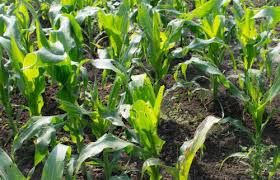
The International Plant Protection Convention (IPPC) is intensifying international efforts to protect global agriculture from invasive pests and plant diseases that threaten food production, biodiversity, and agricultural trade. Governments and agricultural agencies across multiple regions are strengthening biosecurity systems and phytosanitary measures to reduce the spread of harmful organisms that can severely damage crops and disrupt food supply chains.
Agricultural experts warn that increasing global trade, climate change, and cross-border movement of goods are accelerating the spread of invasive pests and plant diseases. These threats are creating major economic losses for farmers while placing additional pressure on already vulnerable food systems.
The IPPC, operating under the Food and Agriculture Organization (FAO), works with member countries to develop international standards and coordinate plant protection activities aimed at safeguarding global agriculture and facilitating safe international trade.
Rising Threat from Invasive Pests and Diseases
Scientists say invasive pests and plant diseases can rapidly spread across borders and cause severe agricultural damage if not detected early. Crops such as wheat, rice, maize, fruits, vegetables, and plantation crops remain vulnerable to a wide range of insects, fungi, bacteria, and viruses.
Experts estimate that plant pests and diseases destroy a significant portion of global crop production each year, leading to economic losses worth billions of dollars. In many developing countries, outbreaks can threaten farmer livelihoods, food availability, and export earnings.
Climate change is also increasing the risk of pest expansion by creating favorable conditions for the survival and migration of insects and pathogens into new regions. Warmer temperatures, changing rainfall patterns, and extreme weather events are influencing pest populations and disease transmission patterns worldwide.
Agricultural scientists warn that without stronger preventive measures, future outbreaks could become more frequent and difficult to control.
Countries Strengthening Biosecurity Measures
To reduce risks, many countries are increasing investments in agricultural biosecurity systems, border inspections, surveillance programs, and quarantine facilities. Governments are introducing stricter phytosanitary regulations to monitor imported plants, seeds, fruits, and agricultural products that may carry harmful pests or diseases.
Modern technologies such as digital pest monitoring systems, satellite surveillance, laboratory diagnostics, and artificial intelligence-based detection tools are also being adopted to improve early warning capabilities.
Plant health authorities are encouraging farmers to report unusual pest outbreaks quickly so containment measures can be implemented before infestations spread widely. Public awareness campaigns and farmer training programs are also playing an important role in strengthening on-farm biosecurity practices.
Experts say international coordination is essential because plant pests do not recognize national borders. Rapid information sharing between countries can help prevent large-scale agricultural damage and reduce trade disruptions.
Protecting Agricultural Trade and Food Security
Phytosanitary measures are becoming increasingly important for maintaining safe and stable international agricultural trade. Countries importing agricultural products often require strict plant health certification to prevent the introduction of invasive organisms into domestic farming systems.
The IPPC continues working with governments to harmonize international plant protection standards and facilitate safer global trade while minimizing unnecessary trade barriers. Experts believe strong phytosanitary systems are critical for maintaining confidence in international agricultural markets.
Agricultural economists note that protecting crops from pests and diseases is essential not only for farm productivity but also for long-term global food security. With the world population continuing to grow, reducing crop losses has become a major priority for policymakers and researchers.
Sustainable Crop Protection Gains Importance
Scientists are also promoting integrated pest management systems that combine biological control, resistant crop varieties, monitoring techniques, and responsible pesticide use. These approaches aim to manage pests more sustainably while reducing environmental impacts and pesticide resistance problems.
International organizations are encouraging greater investment in agricultural research, plant breeding, pest surveillance, and climate adaptation programs to strengthen future crop protection efforts.
The expanding global cooperation under the IPPC highlights the increasing recognition that protecting plant health is fundamental to securing food supplies, supporting rural livelihoods, and maintaining stable agricultural trade worldwide. As pest and disease threats continue evolving, international collaboration and stronger biosecurity systems are expected to remain essential for safeguarding global agriculture in the years ahead.


 By
By











