

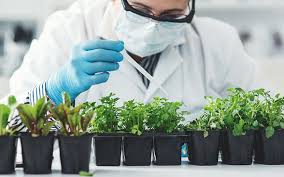
The International Atomic Energy Agency (IAEA) has highlighted the increasing role of nuclear science and related technologies in supporting global agriculture and protecting crops from climate-related threats. According to scientists and agricultural experts, nuclear-based techniques are helping farmers improve soil fertility, control destructive pests, conserve water resources, and strengthen food production systems in the face of growing environmental challenges.
As climate change, land degradation, and rising food demand continue putting pressure on global agriculture, researchers believe innovative scientific tools will become increasingly important for ensuring long-term food security and sustainable farming practices.
The IAEA, working in partnership with the Food and Agriculture Organization (FAO), has been promoting peaceful nuclear technologies for agricultural development in several countries worldwide. Experts say these methods are helping improve crop productivity while reducing environmental damage and dependence on excessive chemical use.
Nuclear Techniques Helping Control Agricultural Pests
One of the most successful applications of nuclear science in agriculture is pest control through the Sterile Insect Technique (SIT). This method involves sterilizing harmful insect pests using radiation and then releasing them into the environment to reduce reproduction rates naturally.
Scientists explain that SIT has been used effectively against several dangerous agricultural pests, including fruit flies, tsetse flies, and certain moth species that damage crops and reduce food production. Unlike heavy pesticide use, the technique is considered environmentally friendly because it targets specific pests without harming beneficial insects or polluting ecosystems.
Agricultural experts believe these technologies can help farmers reduce crop losses while lowering dependence on chemical pesticides, which often create environmental and health concerns when overused.
Improving Soil Fertility and Water Efficiency
Nuclear science is also being used to improve soil and water management in agriculture. Isotope techniques allow researchers to study soil nutrient movement, fertilizer efficiency, and water use patterns with greater precision.
According to scientists, these technologies help farmers apply fertilizers more efficiently, reducing waste and minimizing environmental pollution. Improved nutrient management can also lower production costs while maintaining crop productivity.
In regions facing water scarcity, nuclear-based methods are helping identify more efficient irrigation strategies and improving understanding of soil moisture retention. Researchers say such tools are becoming increasingly valuable as droughts and heatwaves intensify under changing climate conditions.
The IAEA has noted that sustainable soil and water management will be critical for maintaining agricultural productivity in vulnerable regions across Asia, Africa, and Latin America.
Developing Climate-Resilient Crops
Researchers are also using radiation-assisted mutation breeding to develop crop varieties that are more resistant to drought, salinity, pests, and diseases. This process accelerates natural genetic variation, allowing scientists to identify beneficial plant traits more quickly.
Several improved crop varieties developed using these techniques are already being cultivated in different parts of the world. Scientists say these crops can help farmers maintain yields under increasingly difficult climate conditions while supporting food security goals.
Agricultural researchers emphasize that mutation breeding does not involve genetic modification in the conventional sense but instead uses controlled radiation to enhance naturally occurring plant diversity.
Technology Becoming More Important for Food Security
Global agricultural systems are facing increasing pressure from population growth, climate change, soil degradation, and emerging pest outbreaks. Experts believe nuclear science offers valuable tools for addressing these challenges while promoting sustainable agricultural development.
International agencies are encouraging greater investment in scientific research, agricultural innovation, and farmer education to expand access to advanced technologies. Policymakers are also being urged to strengthen international cooperation in agricultural science and climate adaptation programs.
The IAEA says integrating nuclear techniques with modern sustainable farming practices can help improve productivity, conserve natural resources, and strengthen resilience against future environmental shocks.
As countries search for innovative ways to secure food supplies and protect agricultural systems, nuclear science is emerging as an increasingly important part of the global effort to build climate-resilient and sustainable farming systems for the future.


 By
By











