

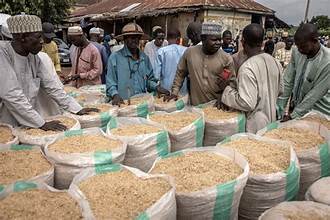
Global fertilizer supply chains are facing mounting pressure amid ongoing geopolitical tensions, raising serious concerns about food security and agricultural productivity. According to the Food and Agriculture Organization (FAO), disruptions in the availability and affordability of key inputs such as nitrogen, phosphorus, and potash could have a direct impact on crop yields worldwide.
Fertilizers are a cornerstone of modern agriculture, playing a critical role in maintaining soil fertility and ensuring high productivity. However, supply constraints—driven by conflicts, trade restrictions, and energy market volatility—are making these inputs increasingly expensive and, in some regions, difficult to access.
As prices rise and availability tightens, many farmers, particularly in developing countries, are being forced to cut back on fertilizer use. This reduction can significantly lower crop yields, especially for staple crops such as wheat, rice, and maize, which depend heavily on balanced nutrient application. The result is a heightened risk of reduced food production at a global scale.
The FAO warns that such disruptions could trigger a ripple effect across food systems. Lower agricultural output would likely lead to higher food prices, increasing the risk of food inflation and placing additional strain on vulnerable populations. Countries that rely on imports for fertilizers are expected to be the most affected, as they face both supply shortages and rising costs.
In addition to production challenges, fertilizer shortages can also disrupt planting decisions. Farmers may shift to less input-intensive crops or reduce the area under cultivation, further affecting overall food supply. Over time, this can weaken agricultural resilience and increase dependence on volatile global markets.
Experts stress the need for urgent policy interventions to stabilize fertilizer supply chains. These include diversifying import sources, promoting efficient nutrient management, encouraging the use of organic and alternative fertilizers, and supporting domestic production capacities.
The situation highlights the fragile interdependence between global supply chains and food systems. Ensuring a stable and affordable supply of fertilizers will be crucial to maintaining agricultural productivity and preventing a broader food security crisis in the coming years.


 By
By











