

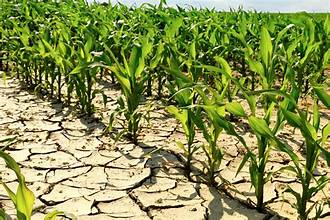
A new joint report by the Food and Agriculture Organization (FAO) and the World Meteorological Organization (WMO) has raised serious concerns over the growing impact of extreme heat on global food systems. According to the report, rising temperatures and frequent heatwaves are increasingly disrupting agriculture, livestock, and fisheries, putting more than one billion livelihoods at risk worldwide.
The report highlights that staple crops such as wheat, rice, and maize are particularly vulnerable to heat stress. Prolonged periods of high temperatures can significantly reduce crop yields by affecting plant growth, pollination, and grain formation. In many regions, farmers are already witnessing lower productivity and declining crop quality due to extreme weather conditions.
Livestock is also under severe pressure, as heat stress reduces animal productivity, fertility, and overall health. Dairy production declines, and animals become more susceptible to diseases during prolonged heatwaves. Similarly, the fisheries sector is facing disruptions as rising water temperatures affect fish habitats, breeding cycles, and migration patterns.
Beyond production losses, the report emphasizes the growing risks to farm workers. Extreme heat conditions are making agricultural labor increasingly hazardous, especially in tropical and developing regions. Workers are facing higher risks of heat exhaustion, dehydration, and other health complications, which in turn affects overall farm output.
The FAO and WMO warn that without urgent adaptation measures, the situation could worsen significantly in the coming years. They stress the need for climate-resilient farming practices, improved irrigation systems, heat-tolerant crop varieties, and better early warning systems to help farmers cope with changing climate patterns.
The report also calls for stronger global cooperation and investment in sustainable agriculture to protect food security. As climate change intensifies, ensuring resilient food systems will be critical to feeding a growing global population.
Overall, the findings serve as a stark reminder that extreme heat is no longer a distant threat but an immediate challenge, requiring coordinated action from governments, scientists, and farmers worldwide.


 By
By











