

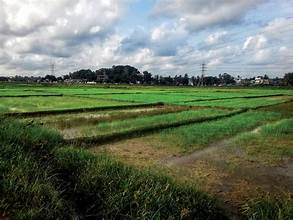
Global agriculture is facing an unprecedented crisis as extreme climate events increasingly threaten the sustainability of farming systems. Experts, including those cited by the Food and Agriculture Organization (FAO) and the World Meteorological Organization (WMO), warn that rising temperatures, prolonged heatwaves, and erratic weather patterns are pushing farming in many regions to its limits.
One of the most alarming findings is the growing impact of extreme heat on agricultural labor. In several high-temperature zones, conditions are becoming so severe that farmers may be unable to work outdoors for up to 200–250 days a year. This not only disrupts routine farm operations such as sowing, irrigation, and harvesting but also significantly reduces overall productivity.
The consequences extend beyond labor constraints. Extreme heat accelerates soil moisture loss, increases crop water demand, and damages plant physiology, leading to reduced yields and declining crop quality. At the same time, livestock face heat stress, resulting in lower milk production, reduced fertility, and higher mortality risks. Fisheries are also affected as rising water temperatures disturb aquatic ecosystems and fish breeding cycles.
These combined pressures are making traditional farming practices increasingly unsustainable, particularly in tropical and arid regions. Smallholder farmers, who often lack access to advanced technologies and financial support, are among the most vulnerable. As productivity declines, their incomes are directly impacted, increasing the risk of rural distress and migration.
The report highlights that without urgent adaptation, entire agricultural systems could become unviable in some regions. This poses a serious threat to global food security, as declining production could lead to supply shortages and rising food prices.
To address these challenges, experts emphasize the need for climate-resilient agriculture. This includes adopting heat-tolerant crop varieties, improving irrigation efficiency, shifting cropping calendars, and integrating technology such as weather forecasting and early warning systems. Mechanization and protective infrastructure can also help reduce farmers’ exposure to extreme conditions.
Additionally, there is a growing call for policy support and investment in sustainable farming practices. Strengthening rural infrastructure, providing financial safety nets, and promoting diversification can help farmers adapt to changing climatic realities.
Overall, the warning is clear: global farming systems are approaching a critical tipping point. Without coordinated action, the combined effects of climate change and extreme weather could fundamentally disrupt agriculture, threatening both livelihoods and food security worldwide.


 By
By











