Efforts to strengthen animal welfare standards in Europe have hit a significant roadblock, as key reforms under the Farm to Fork Strategy remain stalled due to political resistance and growing farmer unrest. The delays are raising concerns about the future of sustainable agriculture across the European Union.
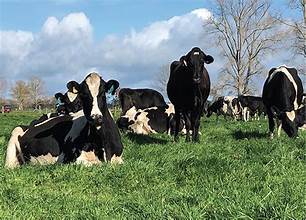
The “Farm to Fork” strategy, a central pillar of the European Commission’s Green Deal, aims to create a fair, healthy, and environmentally friendly food system. Proposed animal welfare reforms include stricter regulations on livestock housing, transport conditions, and farming practices to improve animal health and reduce environmental impact.
However, recent political shifts across several EU member states have slowed legislative progress. Governments are increasingly cautious about pushing forward reforms that could raise production costs for farmers, especially amid ongoing economic pressures and concerns over competitiveness in global markets.
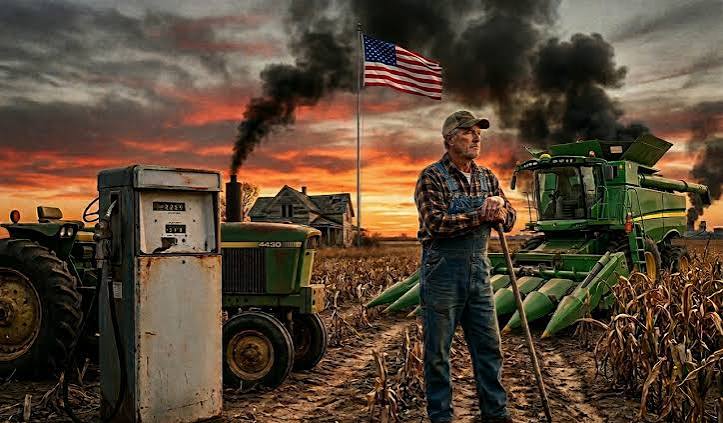
Farmer protests have also played a major role in delaying the reforms. Agricultural groups argue that stricter welfare standards would increase operational costs, reduce productivity, and put European farmers at a disadvantage compared to countries with less stringent regulations. Many farmers are demanding financial support and transitional measures before any new rules are implemented.
The slowdown has sparked concern among environmental groups and policy experts, who warn that delaying these reforms could undermine the EU’s broader sustainability goals. Improved animal welfare is closely linked to better environmental outcomes, reduced emissions, and enhanced food quality.
At the same time, the situation highlights the complex balance policymakers must maintain between sustainability ambitions and economic realities. While there is broad agreement on the need for more ethical and sustainable farming systems, the path to achieving these goals remains politically sensitive.
Experts suggest that a phased approach, combined with targeted subsidies and incentives, could help ease the transition for farmers while keeping long-term sustainability targets on track.
The stalling of animal welfare reforms underscores the broader challenges facing agricultural policy in Europe—where climate goals, farmer livelihoods, and political dynamics are increasingly intertwined.


 By
By