

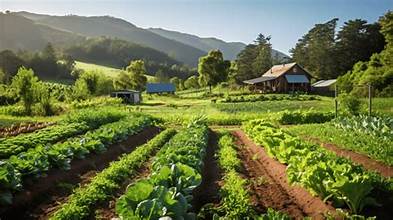
Regenerative agriculture is rapidly emerging as one of the most influential movements in global farming, with leading food companies accelerating investments in sustainable agricultural practices aimed at improving soil health, enhancing biodiversity, and strengthening climate resilience. Major multinational firms such as Nestlé, PepsiCo, and McCain Foods are significantly expanding regenerative agriculture initiatives across multiple countries, signaling a major transformation in the future of food production.
The renewed global focus comes as governments, agribusinesses, and environmental organizations increasingly recognize the importance of sustainable farming systems in addressing climate change, soil degradation, and long-term food security challenges. Industry experts believe regenerative agriculture could become a key pillar of global agricultural policy over the next decade.
Regenerative farming refers to agricultural practices designed to restore and improve ecosystem health while maintaining productive farming systems. These practices typically include cover cropping, reduced tillage, crop rotation, integrated livestock management, organic matter enhancement, and efficient water conservation techniques. Unlike conventional farming models focused mainly on yield maximization, regenerative agriculture emphasizes long-term soil fertility and environmental sustainability.
Several global food companies are now working directly with farmers to scale these practices through financial incentives, technical training, digital monitoring systems, and sustainability partnerships. Nestlé has expanded its regenerative agriculture programs in coffee, dairy, and grain supply chains, targeting reductions in greenhouse gas emissions while improving farm productivity. Similarly, PepsiCo has launched large-scale initiatives to support regenerative practices across millions of acres linked to its potato, corn, and oat sourcing operations.
Meanwhile, McCain Foods is intensifying efforts to transition potato farming toward climate-smart cultivation systems. The company has partnered with growers in North America and Europe to improve soil carbon levels, reduce synthetic input dependence, and strengthen resilience against extreme weather events.
A newly introduced international framework for regenerative agriculture is expected to accelerate adoption further by creating standardized guidelines and measurable sustainability benchmarks for farmers, agribusinesses, and investors. The framework aims to help farmers implement climate-resilient and soil-restoring practices at scale while improving access to financing and carbon market opportunities.
Agricultural scientists say soil health has become a central concern for the global food industry. Years of intensive cultivation, excessive chemical use, erosion, and declining organic matter have weakened agricultural soils in many parts of the world. Regenerative practices are increasingly viewed as a practical solution for rebuilding soil structure, improving water retention, and increasing resilience against droughts and floods.
Climate change is also driving the urgency behind regenerative farming adoption. Extreme weather events, unpredictable rainfall, and rising temperatures are creating significant risks for agricultural productivity worldwide. Sustainable land management practices can help farmers reduce environmental risks while maintaining stable crop yields.
Financial institutions and carbon-credit markets are also showing growing interest in regenerative agriculture projects. Investors see potential in supporting farming systems that reduce emissions and capture carbon in soils, opening new income opportunities for farmers through environmental incentive programs.
Despite growing momentum, experts caution that large-scale adoption will require continued policy support, farmer education, scientific research, and long-term economic incentives. Transitioning from conventional farming systems can initially involve higher costs and operational changes, especially for small and medium-scale farmers.
Nevertheless, the expanding commitment from multinational food companies and global agricultural stakeholders suggests regenerative agriculture is moving from a niche sustainability concept toward mainstream agricultural practice. As pressure grows to build more resilient and environmentally responsible food systems, regenerative farming is expected to play an increasingly important role in shaping the future of global agriculture.


 By
By











