

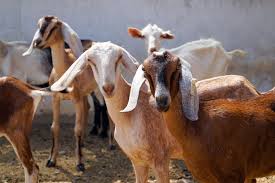
Livestock traceability and biosecurity have emerged as critical priorities for the global livestock industry, with agricultural experts in South Africa emphasizing their importance in protecting animal health, preventing disease outbreaks, and expanding access to international export markets. The growing focus reflects increasing concerns over animal diseases, food safety, and the need for greater transparency throughout agricultural supply chains.
Speaking at recent agricultural discussions, industry leaders highlighted that effective traceability systems are becoming essential for modern livestock production. These systems enable authorities and producers to track animals throughout their lifecycle, from birth and farm management to transportation, processing, and final sale. Such monitoring helps ensure rapid identification and containment of disease outbreaks while improving confidence among trading partners and consumers.
South Africa’s livestock sector plays a vital role in the country’s agricultural economy, contributing significantly to employment, rural livelihoods, and export earnings. However, outbreaks of animal diseases in recent years have demonstrated the importance of robust monitoring and biosecurity measures to protect the industry from economic losses and trade disruptions.
Traceability systems typically involve the use of electronic identification tags, digital databases, and record-keeping platforms that allow livestock movements to be monitored in real time. In the event of a disease outbreak, authorities can quickly identify affected animals, trace their movements, and implement targeted control measures to limit further spread.
Experts note that the benefits of livestock traceability extend beyond disease management. Many international markets now require detailed information about the origin and health status of animals before approving imports. Countries with reliable traceability systems often enjoy greater access to premium export markets, particularly for meat and dairy products.
Biosecurity has become equally important in safeguarding livestock industries worldwide. Effective biosecurity practices are designed to prevent the introduction and spread of infectious diseases through measures such as farm sanitation, controlled animal movement, quarantine procedures, vaccination programs, and regular health monitoring.
Agricultural specialists warn that the increasing movement of animals and animal products across borders has heightened the risk of disease transmission. Emerging and transboundary diseases can have devastating consequences for livestock producers, affecting productivity, trade opportunities, and national food security. Strengthening biosecurity protocols is therefore considered a crucial investment in the long-term sustainability of the sector.
South African experts are encouraging greater collaboration among farmers, veterinarians, industry organizations, and government agencies to improve disease surveillance and strengthen traceability frameworks. They emphasize that successful implementation requires not only technology but also farmer participation, training, and effective regulatory support.
Advances in digital agriculture are helping accelerate the adoption of modern livestock management systems. Mobile applications, cloud-based databases, and electronic identification technologies are making it easier for producers to maintain accurate records and comply with evolving international standards.
Industry leaders believe that countries investing in traceability and biosecurity today will be better positioned to compete in global agricultural markets in the future. Enhanced transparency, improved disease control, and stronger consumer confidence can provide significant economic advantages while supporting safer food production systems.
As global trade requirements continue to evolve and animal health challenges become increasingly complex, livestock traceability is rapidly shifting from a regulatory requirement to a strategic necessity. South Africa’s emphasis on traceability and biosecurity reflects a broader international effort to build more resilient, transparent, and sustainable livestock industries for the years ahead.


 By
By











