

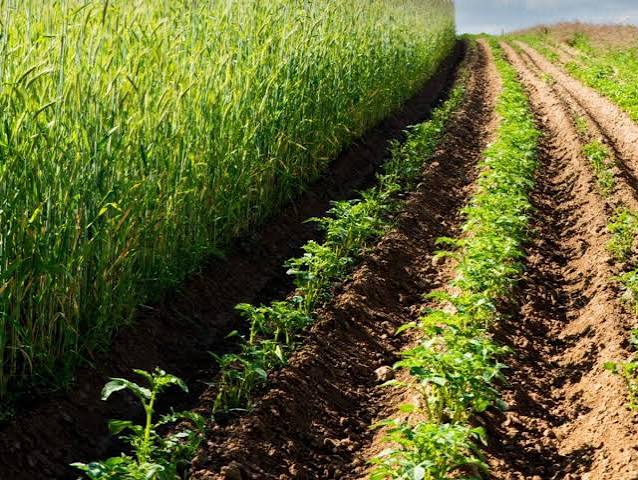
Sustainable agriculture is gaining momentum worldwide as farmers and agricultural institutions increasingly focus on integrated farming, climate-smart practices, biological inputs and resource-efficient production systems. These approaches aim to improve farm profitability while reducing pressure on natural resources and strengthening resilience to climate change.
Agriculture is facing multiple challenges, including rising input costs, water scarcity, soil degradation, changing weather patterns and growing demand for food. As a result, farmers are increasingly exploring production models that make better use of available land, water, nutrients and farm by-products.
Integrated Farming Creates Multiple Income Streams
One of the approaches receiving greater attention is integrated farming, where different agricultural enterprises are combined so that the output or waste from one activity can support another.
In India, integrated pig-fish farming is an example of how diversified farm enterprises can create additional income opportunities. In such systems, piggery and fish production are managed together, allowing farmers to make more efficient use of available resources while producing multiple farm commodities.
Integrated systems can reduce dependence on a single crop or livestock enterprise. If one activity performs poorly because of market or weather conditions, income from other enterprises can help provide a financial buffer.
Better Use of Farm Resources
Integrated farming can also improve resource efficiency. Agricultural and livestock by-products can potentially be reused within the farm rather than being treated entirely as waste.
Organic materials can contribute to nutrient recycling, while livestock enterprises can complement crop and aquaculture activities. This circular approach can help reduce the need for some external inputs and improve overall farm efficiency when properly managed.
However, successful integration requires appropriate technical knowledge, good hygiene and careful management to prevent disease and environmental problems.
Climate-Smart Agriculture Expands
Climate-smart agriculture is another major area of focus. Farmers are increasingly being encouraged to adopt practices that can improve productivity while helping them adapt to changing climate conditions.
These include drought-tolerant varieties, efficient irrigation, soil-moisture conservation, crop diversification, agroforestry, conservation agriculture and improved weather-based farm planning.
Such practices can help farmers reduce exposure to extreme weather and make better use of limited natural resources.
Growing Interest in Biological Inputs
The use of biological and bio-based agricultural inputs is also receiving increasing attention. Biofertilizers, biopesticides, microbial products and other biological solutions can complement conventional agricultural inputs and support more sustainable production systems.
Their growing adoption reflects increasing interest in reducing excessive dependence on chemical inputs while maintaining crop productivity.
Technology Can Strengthen Sustainable Farming
Digital technologies are further supporting the transition toward resource-efficient agriculture. Soil testing, satellite imagery, precision irrigation, farm sensors and data-based advisories can help farmers apply water, fertilizers and crop-protection products more efficiently.
Combining these technologies with integrated farming systems could improve productivity while reducing unnecessary input use.
A More Resilient Future for Farmers
The growing interest in sustainable agriculture reflects a broader shift from maximizing production alone toward building profitable, resource-efficient and resilient farming systems.
For small and marginal farmers, integrated enterprises can provide diversified sources of income and reduce dependence on a single commodity. At the same time, climate-smart practices can help protect farms against increasing weather uncertainty.
As agriculture moves toward more sustainable production models, integrated farming, biological inputs and efficient resource management are likely to play an increasingly important role in improving farmer incomes, protecting natural resources and strengthening global food security.


 By
By











