

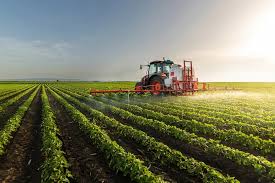
Rising fertilizer prices are becoming a major concern for farmers across the world, with higher input costs threatening to squeeze farm incomes, influence fertilizer use and potentially add pressure to global food prices.
According to the World Bank, global fertilizer prices increased by around 35% during the first five months of 2026 compared with the same period in 2025. The sharp increase has renewed concerns about the affordability and availability of key agricultural inputs at a time when farmers are already dealing with higher production costs and uncertain weather conditions.
Fertilizers, particularly nitrogen, phosphate and potash products, are essential for maintaining crop productivity and replacing nutrients removed from agricultural soils. A sustained increase in fertilizer prices can therefore have consequences that extend beyond individual farms and into global food markets.
Higher Costs Could Change Farmer Decisions
For farmers, fertilizer is one of the most important variable inputs in crop production. When prices rise sharply, producers may respond by reducing application rates, delaying purchases or switching toward crops that require lower fertilizer expenditure.
While reducing fertilizer use can lower immediate production costs, applying insufficient nutrients can also affect plant growth, yields and crop quality. This creates a difficult balancing act for farmers, particularly smallholders operating with limited financial resources.
The impact could be especially significant in developing countries, where farmers often have less access to affordable credit and agricultural inputs. Higher fertilizer costs could discourage optimum fertilizer application and potentially reduce productivity if farmers are unable to compensate through improved nutrient-management practices.
Possible Impact on Global Food Prices
The fertilizer market is closely connected to global food security because fertilizer availability directly influences crop production. If high prices lead to widespread reductions in fertilizer use, crop yields could come under pressure in some regions.
Lower production, combined with strong food demand, could eventually contribute to higher prices for agricultural commodities. This could place additional pressure on consumers, particularly in countries that depend heavily on food imports.
However, the relationship between fertilizer prices and food prices is complex. Weather conditions, energy costs, transportation, currency movements, government policies and global grain inventories can all influence agricultural commodity markets.
Nitrogen Fertilizers Particularly Sensitive
Nitrogen fertilizers are particularly sensitive to energy-market conditions because natural gas is a major input in the production of ammonia and other nitrogen-based fertilizers. Changes in energy prices, production capacity and international trade can therefore quickly influence fertilizer markets.
Geopolitical tensions and disruptions to international supply chains can further increase uncertainty for fertilizer importers and agricultural producers.
Need for Efficient Nutrient Management
The rise in fertilizer prices highlights the importance of balanced and efficient nutrient management. Farmers can potentially reduce unnecessary expenditure by using soil testing, precision application, improved fertilizer timing and the right combination of organic and mineral nutrient sources.
Governments and agricultural institutions can also play an important role by improving access to soil-testing facilities, promoting efficient fertilizer technologies and supporting farmers with timely market information.
For farmers worldwide, the fertilizer market will remain an important factor to watch throughout 2026. If elevated prices persist, the effects could extend from farm input costs to crop production and, ultimately, global food markets.
With fertilizer prices rising sharply, improving nutrient-use efficiency and ensuring affordable access to essential inputs will be critical for protecting farm profitability and maintaining global food security.


 By
By











