

Global food commodity prices registered a modest decline in June, offering some relief to consumers and food-importing nations after months of market volatility. According to the latest report released by the United Nations Food and Agriculture Organization (FAO), the FAO Food Price Index (FFPI) fell by 0.3% compared to May, reflecting lower international prices for cereals, dairy products, and sugar. However, rising prices of vegetable oils and meat prevented a steeper decline, highlighting the mixed outlook for global food markets.
The slight decrease underscores the gradual stabilization of food commodity markets following years of disruption caused by geopolitical conflicts, supply chain bottlenecks, and extreme weather events. Nevertheless, agricultural experts caution that emerging weather risks associated with a potential El Niño event could once again disrupt global food production and drive prices higher in the coming months.
Cereals Lead the Decline
The June decline in the FAO Food Price Index was primarily driven by lower prices for cereals. Improved harvest prospects in several major grain-producing countries, coupled with increased export availability and easing supply concerns, contributed to reduced international quotations for wheat and maize.
Rice prices also remained relatively stable as several exporting nations continued to maintain adequate inventories despite weather uncertainties.
The easing of cereal prices is particularly significant for developing countries, where grains constitute a major share of household food expenditure. Lower international grain prices could help reduce food inflation and improve food security, especially for net food-importing nations.
Dairy and Sugar Prices Continue to Weaken
Global dairy prices also declined during June as improved milk production in major exporting regions led to increased supplies of butter, skim milk powder, and whole milk powder. Demand from key importing countries remained relatively subdued, contributing to softer international prices.
Similarly, sugar prices recorded another decline, supported by favorable production prospects in leading sugar-producing countries. Increased supplies from Brazil, one of the world’s largest sugar exporters, helped ease concerns over global availability despite fluctuations in energy markets that often influence ethanol production.
The fall in sugar prices offers positive news for food manufacturers and beverage companies that rely heavily on sugar as a primary raw material.
Vegetable Oils and Meat Prices Rise
While several food commodities became cheaper, prices of vegetable oils moved upward during June. Higher quotations for palm oil, soybean oil, and sunflower oil reflected stronger import demand and concerns over weather-related production risks in major producing regions.
The meat price index also increased, supported by firm global demand and tighter supplies in certain exporting countries. Beef and poultry prices witnessed moderate gains, while pork markets remained relatively stable.
The increase in vegetable oil prices is particularly important for the food processing industry, as edible oils are widely used in packaged foods, snacks, and restaurant operations worldwide.
El Niño Remains a Major Concern
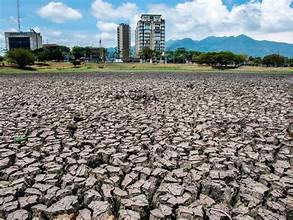
Despite the modest decline in overall food prices, agricultural analysts continue to monitor the possible development of El Niño, a climate phenomenon that can significantly alter global weather patterns.
El Niño is often associated with drought conditions in parts of Asia, Australia, and Southern Africa, while bringing excessive rainfall to regions of the Americas. Such weather disruptions can negatively impact crop yields, reduce agricultural productivity, and tighten global food supplies.
Major crops including rice, wheat, maize, soybeans, sugarcane, coffee, and palm oil are particularly vulnerable to prolonged periods of drought or excessive rainfall linked to El Niño.
Meteorologists and agricultural agencies worldwide are closely tracking ocean temperature changes in the Pacific, as any strengthening of El Niño conditions could influence planting decisions and harvest outcomes during the second half of the year.
Mixed Outlook for Global Food Markets
The FAO noted that although food prices have moderated compared to the sharp increases witnessed during the past few years, global markets remain sensitive to multiple risks. Geopolitical tensions, fluctuating energy prices, shipping disruptions, currency movements, and climate-related events continue to shape international agricultural trade.
For importing countries, the recent decline offers temporary relief from food inflation. However, policymakers remain cautious, recognizing that weather-related supply shocks could quickly reverse the current trend.
Implications for Farmers and Consumers
For farmers, lower cereal and dairy prices may reduce revenues, while higher vegetable oil and meat prices could provide better returns for producers in those sectors. Consumers, meanwhile, may benefit from slightly lower prices for staple foods, although retail food prices often take time to reflect changes in international commodity markets.
As the global agricultural sector enters a critical growing season, the balance between favorable harvests and climate risks will determine the direction of food prices in the months ahead. While June’s modest decline is an encouraging sign, the potential impact of El Niño serves as a reminder that global food security remains closely tied to changing weather patterns and resilient agricultural systems.


 By
By











