

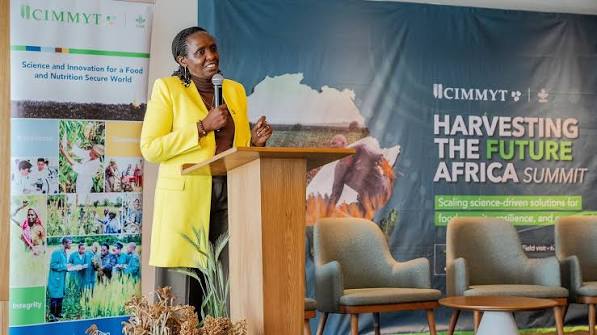
Agricultural policymakers, researchers, agribusiness executives, development partners, and technology innovators from across Africa gathered in Nairobi for the DialogueNEXT Conference, a high-level forum focused on shaping the future of African agriculture. The conference brought together key stakeholders to discuss strategies for strengthening climate-smart agriculture, enhancing food security, expanding digital farming, and increasing investment in the continent’s rapidly evolving agricultural sector.
As Africa faces growing challenges from climate change, population growth, and rising food demand, participants emphasized the need for stronger regional collaboration, technological innovation, and sustainable agricultural policies to ensure resilient food systems and improved livelihoods for millions of farmers.
A Platform for Agricultural Transformation
The DialogueNEXT conference served as an important platform for governments, research institutions, private companies, financial organizations, and international development agencies to exchange ideas and identify practical solutions for modernizing African agriculture.
Discussions focused on how innovation, science, and public-private partnerships can help transform agriculture into a more productive, sustainable, and profitable sector. Delegates stressed that agriculture remains central to Africa’s economic growth, employing more than half of the continent’s workforce and contributing significantly to national economies.
Speakers highlighted the importance of creating enabling policies that encourage investment, strengthen agricultural value chains, and improve farmers’ access to technology, finance, and markets.
Climate-Smart Agriculture Takes Center Stage
One of the conference’s key themes was the urgent need to accelerate the adoption of climate-smart agriculture. Across Africa, farmers are increasingly facing prolonged droughts, irregular rainfall, floods, and rising temperatures that threaten crop yields and livestock production.
Experts called for wider adoption of farming practices that improve resilience while reducing agriculture’s environmental footprint. Recommended approaches included:
- Conservation agriculture and minimum tillage.
- Drought-tolerant and climate-resilient crop varieties.
- Efficient irrigation and water management systems.
- Agroforestry and integrated farming practices.
- Precision nutrient and pest management.
Participants agreed that climate adaptation must become an integral part of agricultural development strategies across the continent.
Strengthening Food Security
Food security remained another major focus of the conference. Africa’s rapidly growing population is expected to significantly increase demand for food over the coming decades, requiring substantial improvements in agricultural productivity.
Delegates emphasized the importance of boosting local food production, reducing post-harvest losses, improving storage infrastructure, and strengthening regional agricultural trade. Investment in research and innovation was identified as essential for increasing crop yields while maintaining environmental sustainability.
Experts also highlighted the need to support smallholder farmers, who produce a large share of Africa’s food but often face limited access to quality inputs, extension services, financing, and modern technologies.
Digital Agriculture Driving Innovation
Digital transformation emerged as one of the conference’s most promising opportunities for improving agricultural productivity. Advances in digital technologies are enabling farmers to make better-informed decisions, optimize resource use, and respond more effectively to changing weather conditions.
Participants explored the growing use of:
- Artificial intelligence for crop monitoring.
- Satellite imagery and remote sensing.
- Mobile-based advisory services.
- Digital weather forecasting platforms.
- Smart irrigation systems.
- Precision agriculture technologies.
- Digital marketplaces connecting farmers directly with buyers.
These innovations are helping improve efficiency, reduce production risks, and enhance farm profitability across various agricultural sectors.
Encouraging Agricultural Investment
Conference leaders emphasized that achieving sustainable agricultural transformation will require increased public and private investment. Expanding rural infrastructure, improving access to agricultural finance, supporting agritech startups, and strengthening value-added processing industries were identified as key priorities.
Investors expressed growing interest in Africa’s agricultural potential, particularly in areas such as sustainable crop production, agricultural biotechnology, renewable energy, digital farming solutions, and climate-resilient food systems.
Participants noted that creating a stable policy environment and improving access to financial services would encourage greater investment across the agricultural value chain.
Empowering Youth and Women
The conference also highlighted the critical role of young entrepreneurs and women in shaping the future of African agriculture. Delegates called for greater investment in agricultural education, digital skills training, business incubation, and entrepreneurship programs that can attract more youth into farming and agribusiness.
Supporting women farmers through improved access to land, credit, technology, and markets was recognized as essential for increasing agricultural productivity and promoting inclusive rural development.
Building Regional Partnerships
A recurring message throughout the conference was the importance of collaboration among African nations. Participants encouraged stronger regional cooperation in agricultural research, seed development, trade facilitation, technology transfer, and climate adaptation.
Cross-border partnerships can help accelerate innovation, improve food availability, and strengthen resilience against common challenges such as pests, diseases, and extreme weather events.


 By
By











