In recent years, India’s agriculture sector has found itself at a crossroads, caught between the urgent need for sustainable practices and the widespread use of chemical-based farming inputs. With rising concerns about soil health, environmental degradation, and human safety, the focus has steadily shifted toward biological alternatives popularly known as “bio-solutions.” These include bio-fertilizers, bio-pesticides, and biostimulants derived from natural sources such as microbes, plants, and organic matter. But the critical question remains: Are Indian farmers truly ready to adopt these eco-friendly solutions?
Growing Interest in Bio-Solutions
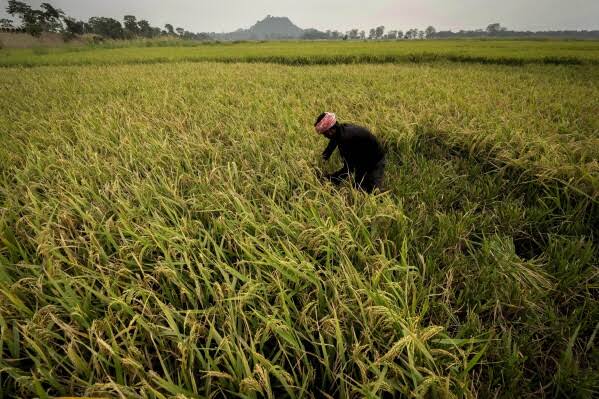
India is home to over 146 million agricultural holdings, with small and marginal farmers accounting for nearly 86% of the total. Traditionally, these farmers have relied on chemical fertilizers and pesticides to boost yields and control pests. However, the excessive and indiscriminate use of chemicals has led to alarming consequences declining soil fertility, groundwater contamination, pest resistance, and harmful residues in food.
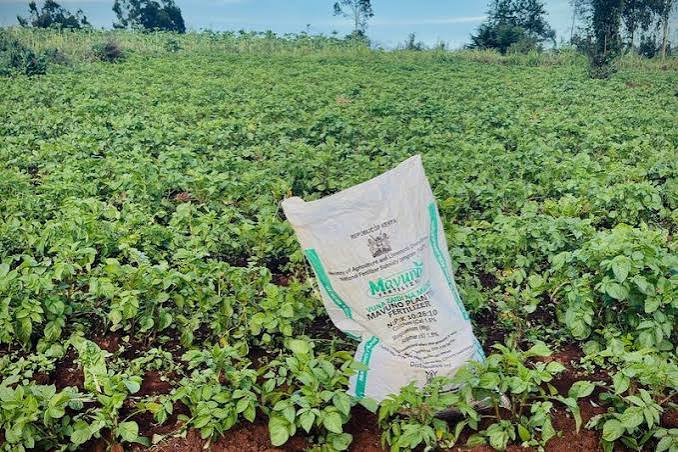
Recognizing these challenges, government bodies, research institutions, and private companies have begun advocating for bio-solutions as a sustainable alternative. According to the Ministry of Agriculture and Farmers Welfare, the consumption of chemical fertilizers like urea and DAP has seen only marginal growth over the past decade, while the demand for bio-inputs has shown steady progress, growing at an annual rate of 10-15%. The Indian biopesticides market alone is projected to reach $370 million by 2025, according to a report by IMARC Group.
Policy Support and Incentives
The Indian government has taken significant steps to promote the use of bio-solutions. Programs such as the Paramparagat Krishi Vikas Yojana (PKVY), National Mission on Sustainable Agriculture (NMSA), and the Zero Budget Natural Farming (ZBNF) initiative actively encourage farmers to reduce their reliance on synthetic inputs. The Fertilizer Control Order (FCO) 1985 was amended to include bio-fertilizers and organic fertilizers, legitimizing their place in the agricultural ecosystem.
Additionally, the Indian Council of Agricultural Research (ICAR) and state agricultural universities are investing in R&D to enhance the efficacy of bio-products. These institutions are working on crop-specific microbial formulations and integrated pest management (IPM) strategies that can be easily adopted by farmers.
Adoption on the Ground: Mixed Signals
Despite policy support and increasing awareness, the ground reality shows a mixed picture. While progressive farmers and large organic producers have started integrating bio-solutions into their farming systems, the majority of smallholders remain hesitant.
Key Barriers to Adoption:
1. Lack of Awareness and Training: Many farmers are unfamiliar with how bio-products work, their application methods, and expected results. Unlike chemical inputs that provide quick and visible results, bio-solutions often take longer to show effectiveness, leading to skepticism among farmers.
2. Market Access and Supply Chain Gaps: Bio-inputs are not always available in remote rural markets. Inadequate distribution networks make access difficult, particularly during critical crop stages.
3. Economic Considerations: Though bio-solutions can be cost-effective in the long run, the initial transition requires investment in training, field trials, and changes in farm practices, which can be daunting for small farmers.
Success Stories and Pilot Models
Several regions in India have demonstrated the viability of bio-solutions when implemented with proper guidance and support. In Andhra Pradesh, the ZBNF model has been adopted by over 6 million farmers, reducing the use of chemical fertilizers and pesticides by 90% in some districts. The state government has provided training, certification, and market linkage support, helping to scale up the movement.
Similarly, in Punjab and Haryana, where overuse of agrochemicals has become a serious issue, agricultural universities have introduced integrated nutrient and pest management systems that incorporate bio-inputs. These models have shown encouraging results in terms of yield, soil health, and cost savings.
Role of Private Sector and Startups
The private sector has also begun to recognize the potential of bio-agriculture. Companies like UPL, IPL Biologicals, and Mahindra Agri Solutions are investing in research, product development, and farmer outreach. Agri-tech startups like BioPrime AgriSolutions, Krishitantra, and Agrivi are developing AI-based decision tools and precision delivery systems to help farmers use bio-inputs more effectively.
Moreover, venture capital interest in agri-biotech is growing. According to Tracxn, more than $150 million was invested in Indian agri-biotech startups between 2021 and 2024, indicating strong investor confidence in the sector’s growth potential.
Way Forward
To enable widespread adoption of bio-solutions among Indian farmers, a multipronged approach is needed:
• Strengthen Extension Services: Localized training, demonstrations, and field trials must be scaled up through Krishi Vigyan Kendras (KVKs) and self-help groups.
• Regulate and Certify Bio-Products: A robust quality assurance framework is essential to eliminate fake products and build farmer trust.
• Financial Incentives: Subsidies, low-interest credit, and price guarantees for organic produce can ease the transition.
• Digital Education Platforms: Mobile apps, YouTube channels, and WhatsApp groups can play a vital role in knowledge dissemination, especially among young and tech-savvy farmers.
Conclusion
Indian farmers are at the cusp of a green revolution of a different kind one that emphasizes sustainability over short-term gains. While challenges persist, the increasing awareness, policy push, and successful pilot programs indicate that the shift toward bio-solutions is not just possible, but inevitable. With the right support ecosystem, Indian agriculture can indeed make a meaningful transition toward eco-friendly and resilient farming practices.


 By
By