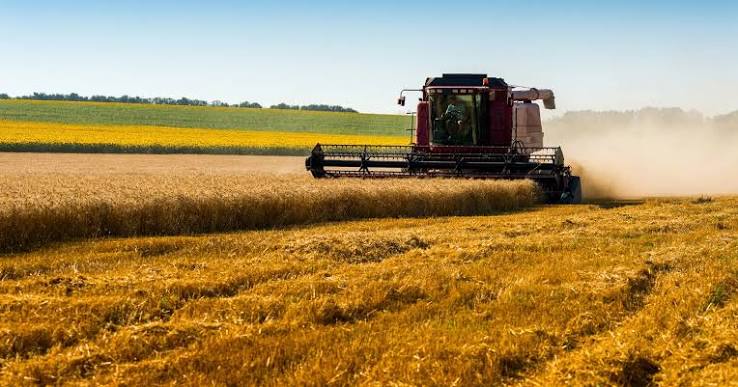
The long-standing Amazon Soy Moratorium an agreement that restricts the purchase of soy grown on deforested land in the Amazon is now facing growing pressure amid rising global demand for soy and increasing deforestation rates in Brazil.
Originally introduced in 2006, the moratorium was a landmark agreement between environmental groups, soy traders, and the Brazilian government. Its goal was to prevent further destruction of the Amazon rain forest by prohibiting the sale of soy cultivated on land cleared after 2008. For years, it was hailed as a successful example of sustainable agriculture, significantly reducing deforestation linked to soy farming in the Amazon.
However, in recent years, environmental advocates and researchers have raised concerns that the moratorium is weakening. Rising global demand for soy used in everything from animal feed to biofuels has created economic pressures on producers. Some are calling for revisions to the agreement, while others warn that expanding soy cultivation into protected areas could reverse years of conservation gains.
Reports suggest that deforestation in other sensitive regions, like the Cerrado, is increasing as soy production shifts away from the Amazon but continues to impact ecosystems. Critics argue that without expanding similar protections to these areas, the moratorium merely shifts the environmental burden elsewhere.
At the same time, some industry players argue that tighter restrictions could hurt economic development and global supply chains, especially as Brazil remains one of the world’s top soy exporters.
The future of the Amazon Soy Moratorium now hangs in the balance, as stakeholders debate how to balance environmental protection with agricultural and economic needs.

 By
By