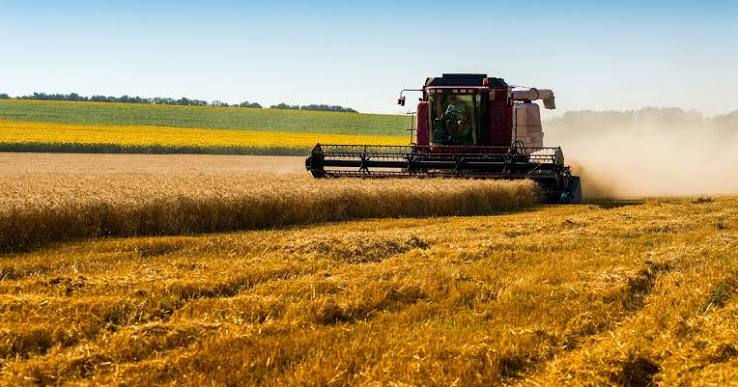
India has reported a 12% increase in Kharif sowing this year, marking a promising start to the 2025 crop season. According to provisional data released by the Ministry of Agriculture and Farmers Welfare, timely arrival of the southwest monsoon has significantly supported early planting across key agricultural regions.
The increase is attributed to favorable rainfall patterns, improved seed availability, and swift action by farmers in anticipation of good growing conditions.
Rainfall Patterns Favor Early Agriculture
The Indian Meteorological Department (IMD) confirmed that the southwest monsoon arrived earlier than usual, bringing widespread and consistent rainfall across southern and central India. States such as Maharashtra, Madhya Pradesh, Gujarat, Odisha, and Telangana have received above-normal rainfall during the initial weeks of the monsoon.
“This year’s early and well-distributed monsoon has created ideal conditions for sowing, especially for crops like paddy, soybean, and pulses,” said Dr. Ramesh Kumar, an agricultural climatologist.
Crop-wise Progress
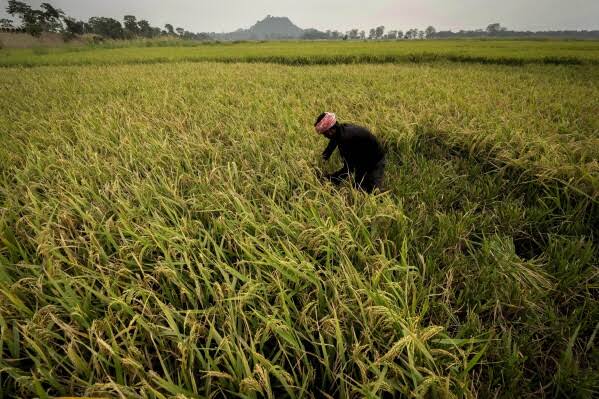
- Paddy (rice) sowing has seen a 15% jump due to water availability in lowland areas.
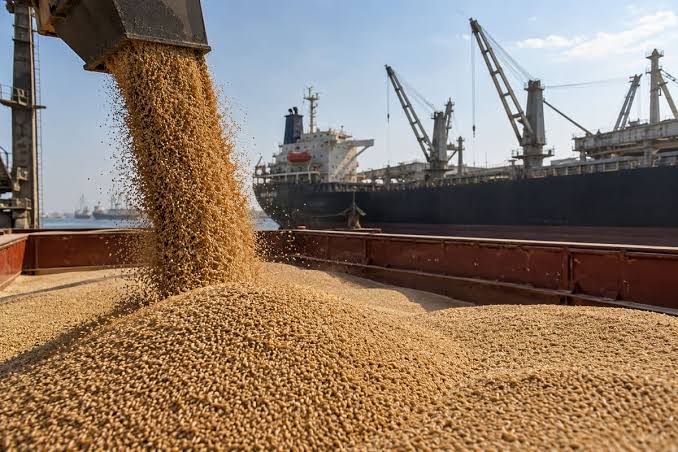
- Soybean and groundnut, key oilseeds, have reported a combined rise of 18%.
- Pulses, including tur and moong, are up by around 10%.
- Maize and other coarse cereals are seeing a healthy 11% increase in area coverage.
Farmers have responded quickly, capitalizing on improved weather conditions and support from local agri-extension services.
Government Support Measures
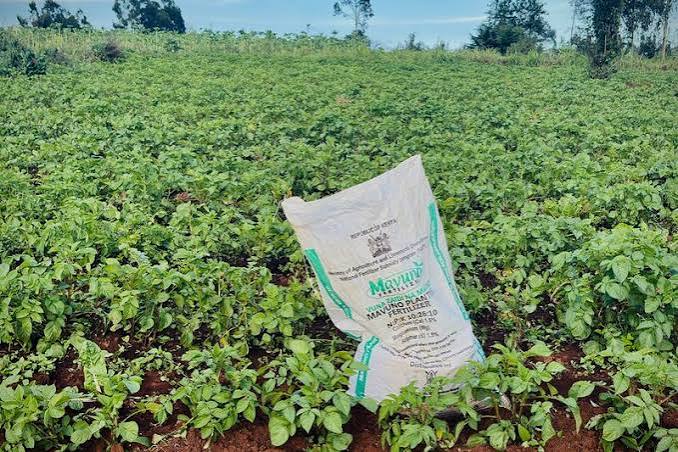
The government has played an active role in facilitating sowing activities. Initiatives such as timely distribution of seeds and fertilizers, digital advisories, and local field demonstrations have encouraged quick adoption of optimal farming practices.
Additionally, state governments are closely monitoring the availability of urea, DAP, and potash, which are crucial for initial crop growth.
Expert Opinion
“A good start to the Kharif season sets the tone for the entire agricultural year,” said Anjali Verma, a senior analyst at the National Agri Observatory. “If monsoon patterns remain stable through July and August, India could expect a bumper harvest, potentially reducing inflationary pressure on food prices.”
Outlook for the Season
With sowing progressing rapidly and the monsoon forecast expected to remain positive, optimism is high among farmers and policy makers alike. As of now, over 48 million hectares have been covered under Kharif crops, compared to 43 million hectares during the same time last year.
This progress not only improves the economic outlook for the rural sector but also contributes to the country’s food security goals.


 By