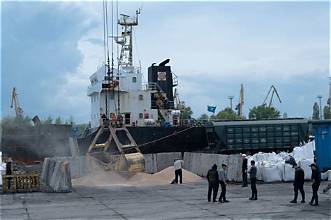
Russia is expanding its grain export options by using the Arctic port of Murmansk as an alternative route for delivering wheat to international markets. The move comes amid shipping disruptions and security concerns affecting established Black Sea trade routes, highlighting the importance of alternative transport networks in maintaining global agricultural supplies.
According to the information provided, the first reported shipment through Murmansk involved approximately 3,400 metric tonnes of grain. Shipping data also indicated that additional wheat cargoes were scheduled for Morocco, suggesting efforts to maintain export flows to overseas customers despite logistical challenges.
Russia is one of the world’s major wheat exporters, and its shipments play an important role in international grain markets. Changes in its export routes can influence transportation costs, delivery schedules and the availability of wheat for importing countries.
Arctic Port Offers an Alternative for Grain Shipments
Murmansk, located in northwestern Russia on the Barents Sea, is an important Arctic port with access to maritime routes connecting Russia to international markets. Its geographical position makes it a potential option for moving certain cargoes when conventional shipping routes face operational or security challenges.
Using alternative ports can help exporters diversify logistics and reduce dependence on a limited number of transportation corridors. However, the practical benefits depend on port capacity, cargo-handling facilities, vessel availability, shipping schedules and the cost of moving grain from inland production regions to the port.
Grain exports require coordinated logistics because wheat must be transported, stored and loaded efficiently while maintaining quality. Any change in the export route can affect the total cost and time required to deliver agricultural commodities to buyers.
The reported shipment of 3,400 metric tonnes represents a relatively small cargo compared with the volumes handled by major international grain terminals. Nevertheless, it may indicate an effort to test or develop alternative export arrangements. The longer-term significance will depend on whether Russia can operate the route regularly and increase shipment volumes.
Morocco Remains an Important Destination to Watch
The reported scheduling of additional wheat cargoes for Morocco highlights the continuing importance of international grain trade between major exporting countries and food-importing markets.
Import-dependent countries monitor wheat prices, freight rates and delivery schedules closely because these factors influence flour production, food-processing costs and domestic food prices. Delays or higher shipping expenses can affect procurement decisions and increase uncertainty for importers.
Alternative shipping routes could help exporters maintain deliveries when traditional corridors experience disruption. However, the availability of a new route does not automatically guarantee lower transportation costs or faster deliveries. These outcomes depend on the distance travelled, port efficiency, vessel requirements and prevailing market conditions.
Implications for Global Agricultural Markets
Russia’s reported use of Murmansk illustrates how geopolitical developments and maritime security concerns can reshape agricultural supply chains. Exporters may seek additional ports and shipping corridors to maintain market access, while importers may diversify their suppliers to reduce the risks associated with disruptions in individual regions.
For the global wheat market, the key factors to monitor include the volume of grain shipped through Arctic ports, the frequency of departures, freight costs and the reliability of deliveries to importing countries.
If the route develops into a regular export channel, it could provide Russia with an additional logistical option. However, its overall contribution to global grain supplies will depend on the scale and consistency of future shipments.
The development underscores a broader challenge for international agriculture: maintaining reliable food supply chains when traditional trade routes face uncertainty. For exporters, importers and policymakers, diversified transportation networks and transparent market information remain important tools for managing disruptions and supporting global food security.


 By