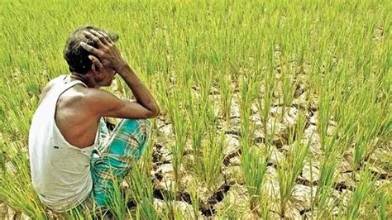
India’s agricultural import requirements could increase during the current financial year as drought concerns and uncertain production prospects create pressure on the domestic supply of several important crops. Potential shortfalls in soybean, groundnut and mustard production may affect the availability of oilseeds and edible oils, while rising feed costs could add to financial pressure on the sugar and poultry industries.
The developments highlight the close connection between weather conditions, domestic agricultural output, commodity prices and international trade. If domestic production falls short of consumption requirements, India may need to rely more heavily on imports to maintain supplies and meet the needs of food processors, livestock producers and consumers.
The potential increase in imports will depend on the actual size of the harvest, domestic stock levels, international prices and the pace of demand during the remainder of the financial year.
Oilseed Production Under Pressure
Soybean, groundnut and mustard are important crops for India’s agricultural economy. They support farm incomes and supply raw materials for edible oil production, animal feed and several food-processing industries.
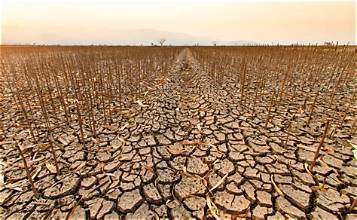
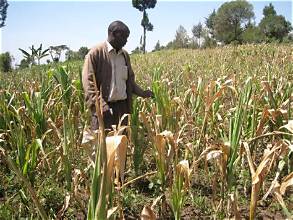
Unfavourable weather conditions can affect crop establishment, flowering, pod development and final yields. In regions experiencing inadequate rainfall or prolonged dry spells, farmers may face lower productivity and increased cultivation risks. The extent of the damage, however, depends on the timing and duration of the dry conditions, irrigation availability and local crop management practices.
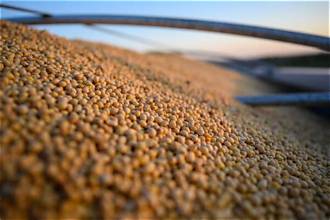
Soybean is particularly important because it provides both edible oil and protein-rich meal used in animal feed. Reduced soybean availability could tighten supplies of these products and increase costs for processors and feed manufacturers.
Groundnut also contributes to domestic edible oil supplies and has an important role in several agricultural regions. Meanwhile, mustard is a major source of domestically produced cooking oil. If production of these oilseeds declines, buyers may seek alternative supplies, potentially increasing demand for imported edible oils.
Edible Oil Imports Could Increase
India imports a substantial share of the edible oils consumed domestically, making international prices and shipping conditions important factors in the country’s food economy.
If domestic oilseed production weakens, importers may increase purchases of palm oil, soybean oil or sunflower oil, depending on price competitiveness, availability and processing requirements. Higher international prices or currency-related costs could limit the benefits of additional imports and put pressure on domestic markets.
For farmers, weaker oilseed production may reduce the quantity available for sale, even if market prices rise. Whether growers benefit financially will depend on the balance between selling prices and cultivation costs.
For consumers, changes in edible oil prices can influence household food expenditure, particularly among lower-income families. Food processors, restaurants and other commercial users may also face higher operating costs.
Poultry and Sugar Industries Face Feed-Cost Challenges
Soybean meal is an important protein ingredient in poultry feed. Any reduction in soybean availability or increase in meal prices can raise production costs for poultry farmers and feed manufacturers.
Higher feed expenses may affect the profitability of poultry operations and could eventually influence the prices of eggs and chicken. The impact will depend on feed formulations, alternative ingredient availability and market demand.
The sugar industry may also face cost pressures through changes in feed-related expenses and broader agricultural input markets. However, the direct effect on sugar production will depend on conditions in sugarcane-growing regions, cane availability, processing costs and energy prices.
Market Outlook and Policy Priorities
A potential increase in agricultural imports would have implications for farmers, traders, processors and policymakers. Monitoring crop conditions, assessing production estimates and maintaining accurate stock information will be essential to determining whether additional imports are required.
Improved weather advisories, efficient irrigation, drought-resilient crop varieties and better access to agricultural credit can help farmers manage production risks. Strengthening domestic oilseed productivity and expanding suitable storage and processing infrastructure could also reduce vulnerability to fluctuations in international markets.
For policymakers, the challenge will be to balance farmers’ interests with the need to maintain affordable food supplies. Timely trade decisions and transparent market information can help reduce uncertainty for both producers and consumers.
India’s agricultural import outlook will ultimately depend on the actual harvest and the balance between domestic production and demand. If drought-related losses become significant, imports of edible oils and selected agricultural commodities could increase, underlining the importance of climate resilience and a stable agricultural supply chain.

 By