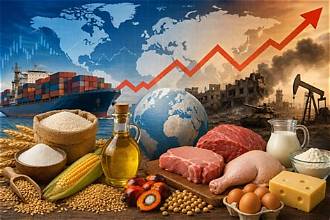
Global food commodity prices increased in September 2026, reflecting continued uncertainty in international markets amid transportation disruptions, trade-related risks and weather concerns. According to the figures provided, the Food and Agriculture Organization of the United Nations (FAO) Food Price Index averaged 136.0 points during the month, rising 1.5% from August and standing 5.8% higher than in September 2025.
The increase highlights the pressures facing global food markets as agricultural supply chains respond to changing weather patterns, logistical challenges and uncertainty surrounding international trade. Higher commodity prices can affect food-importing countries, agricultural processors, retailers and households, while their impact on farmers depends on production costs and the prices they receive for their crops.
Transportation Disruptions Affect Agricultural Trade
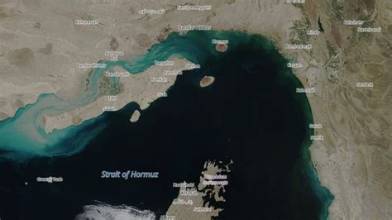
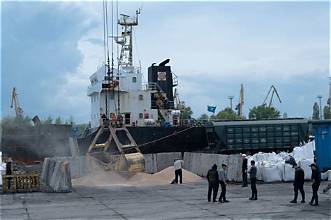
International food markets depend on reliable transportation networks to move grains, vegetable oils, sugar and other agricultural commodities from producing regions to consumption centres. Disruptions to shipping routes, higher freight charges and delays at ports can increase the cost of delivering agricultural products to international buyers.
When transportation becomes more expensive or less predictable, importers may face higher procurement costs and longer delivery times. These challenges can be particularly significant for countries that depend heavily on imported food commodities to meet domestic demand.
Trade uncertainty can also influence purchasing decisions. Importers may increase their purchases in advance to secure supplies, while exporters may adjust shipment schedules in response to changing market conditions. Such decisions can contribute to short-term fluctuations in international prices.
Weather Risks Add Pressure to Food Supplies
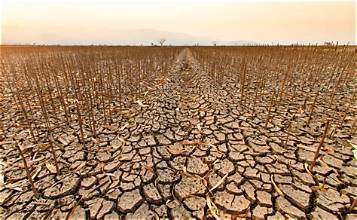
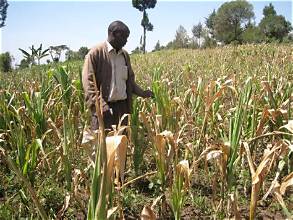
Weather conditions remain a major factor influencing agricultural production and global food availability. Drought, excessive rainfall, heatwaves and other extreme weather events can reduce crop yields, disrupt harvesting operations and affect the quality of agricultural produce.
When adverse weather affects major producing regions, concerns about future supplies can influence market expectations even before the full extent of crop losses becomes clear. The resulting price movements can affect both international trade and domestic food markets.
Climate-related uncertainty also creates challenges for farmers planning their cropping activities. Changes in rainfall patterns and temperature can affect planting schedules, irrigation requirements and the demand for agricultural inputs. These factors may increase production costs and complicate decisions about which crops to grow.
Implications for Farmers and Consumers
Higher international food prices can create opportunities for agricultural producers when stronger selling prices outweigh increases in production expenses. However, farmers may not necessarily benefit if fertilizer, fuel, seeds, labour and transportation costs rise at the same time.
Food processors and manufacturers may face higher costs for raw materials, potentially affecting the prices of flour, cooking oils, packaged foods and other products. The extent to which these increases reach consumers depends on domestic inventories, government policies, exchange rates, processing costs and competition among suppliers.
Low-income households are especially vulnerable to food price increases because a substantial share of their budgets is spent on essential items. Sustained increases in food costs can reduce purchasing power and make balanced diets less affordable.
For food-importing nations, higher international prices may also increase import bills and place additional pressure on foreign exchange reserves and public finances.
Strengthening Global Food Security
The latest reported increase underlines the importance of building resilient agricultural and food supply chains. Governments and industry stakeholders can reduce vulnerability by improving storage infrastructure, diversifying import sources, strengthening transport networks and providing timely information about market conditions.
Investment in climate-resilient farming, efficient irrigation, improved crop varieties and sustainable soil management can also help reduce production risks. At the farm level, better access to weather forecasts and market information can support more informed decisions about planting, harvesting and selling crops.
The FAO Food Price Index is an important indicator for monitoring changes in international food commodity markets. Its movements provide useful context for policymakers, traders and agricultural producers, although the index does not directly measure retail food inflation in individual countries.
September’s reported increase highlights the continuing interaction between agricultural supply, transportation, trade and weather risks. Monitoring these factors will remain essential for assessing future price movements and protecting the affordability and availability of food worldwide.

 By