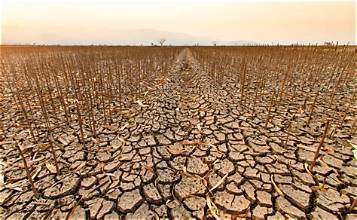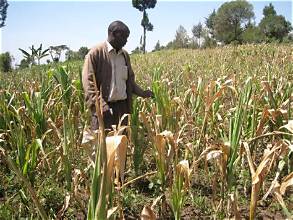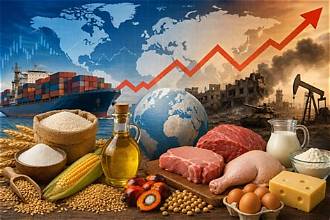
Disruptions affecting fertilizer shipments through the Strait of Hormuz are raising concerns about agricultural production and food security, particularly in vulnerable regions of Asia and Africa. Delays in the movement of essential agricultural inputs could increase production costs, disrupt fertilizer availability and leave farmers struggling to obtain supplies before critical planting periods.
A United Nations-backed proposal aimed at facilitating fertilizer shipments through the strategic waterway has reportedly encountered implementation challenges. According to the information provided, a UN official warned earlier in October that continued delays could cause some countries in Asia and Africa to miss important planting windows, potentially affecting crop production and future food supplies.
The situation highlights the close relationship between international shipping routes, fertilizer markets and agricultural productivity. Fertilizers are essential for maintaining soil fertility and supporting crop growth, making their timely availability particularly important during planting and early crop-development stages.
Why the Strait of Hormuz Matters for Agriculture
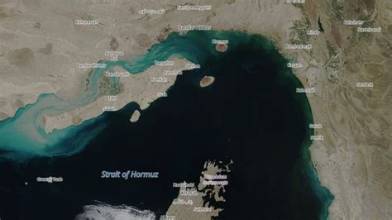
The Strait of Hormuz is a strategically important maritime passage connecting the Persian Gulf with the Gulf of Oman and the wider Indian Ocean. It is a major route for international energy trade and also plays a role in the movement of commodities and industrial inputs.
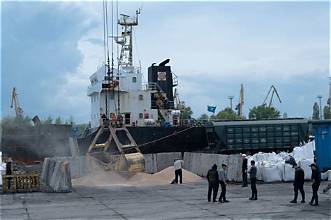
Disruptions to shipping in and around the region can affect transportation schedules, insurance costs and freight rates. For fertilizer producers, exporters and importers, these challenges can create uncertainty over delivery times and the cost of moving products to agricultural markets.
The wider Gulf region is an important source of fertilizer products and raw materials, including nitrogen-based fertilizers. Natural gas is a key feedstock for producing ammonia, which is used in the manufacture of several nitrogen fertilizers. Any disruption affecting production, exports or shipping can therefore have consequences for international fertilizer availability and prices.
However, the actual impact depends on the type of fertilizer involved, available inventories, alternative suppliers and the duration of the disruption.
Planting Delays Could Affect Crop Production
Agriculture operates according to seasonal calendars, and fertilizer requirements vary across crops and stages of growth. Farmers often need to apply nutrients within specific periods to support germination, root development, tillering, flowering and grain formation.
If fertilizer shipments arrive after the required application period, farmers may have limited options. They could reduce application rates, purchase more expensive supplies from alternative markets or adjust their cropping decisions.
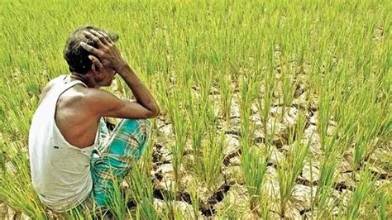
In regions where farmers have limited access to credit and agricultural inputs, these challenges may be particularly difficult to manage. Lower fertilizer application, when not compensated for through appropriate nutrient management, can reduce yields and weaken farm incomes.
The effects may extend beyond individual farms. Lower crop output can affect local food availability, agricultural employment, grain trading and the cost of food processing.
Asia and Africa Face Potential Supply Risks
Countries that depend heavily on imported fertilizers may be more exposed to prolonged shipping disruptions. Higher import costs can place additional pressure on agricultural budgets and make it harder for governments to maintain affordable fertilizer supplies for farmers.
In parts of Africa, where access to fertilizer can already be constrained by financing and distribution challenges, further increases in costs could affect crop productivity. Asian agricultural markets could also face pressure where fertilizer demand is concentrated around seasonal planting periods.
The consequences will differ between countries depending on domestic production capacity, existing stocks, import diversification and the efficiency of distribution networks.
Alternative Supplies and Policy Measures
Governments and agricultural stakeholders can take several steps to reduce the risk of fertilizer shortages. These include monitoring domestic stocks, diversifying import sources, improving port and inland transport capacity, and coordinating purchases well ahead of planting seasons.
Promoting soil testing, balanced nutrient application, organic matter management and efficient fertilizer use can also help farmers obtain better results from available inputs. Such practices cannot fully replace essential nutrients, but they can reduce waste and improve nutrient-use efficiency.
International coordination may help maintain essential shipments, provided that proposed arrangements can be implemented safely and effectively.
Protecting Food Security Through Reliable Supply Chains
The reported challenges around the Strait of Hormuz demonstrate how disruptions in a single strategic shipping corridor can create wider concerns for agriculture. Fertilizer availability influences production decisions, crop yields and the cost of food across international markets.
Ensuring timely access to agricultural inputs will therefore remain important for farmers, policymakers and food-importing countries. Continued monitoring of shipping conditions, fertilizer prices and planting schedules will help assess the scale of the risks and identify appropriate responses.

 By