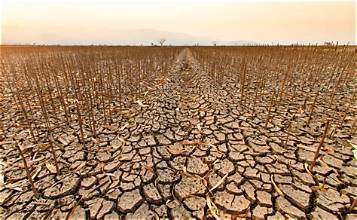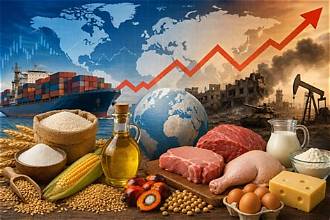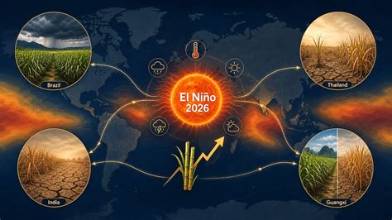
The developing El Niño weather phenomenon is raising concerns about global agricultural production during the 2026–27 growing season, with potential implications for rainfall patterns, temperatures and crop yields across several major farming regions. Agricultural analysts are monitoring conditions in Australia, South and Southeast Asia, and parts of the Americas, where changes in precipitation and increased heat stress could affect crop development.
Wheat, maize and soybean production are among the key areas receiving attention because these crops play a major role in international food supplies, livestock feed and agricultural trade. The extent of the impact will depend on the strength and duration of the El Niño event, regional weather conditions, irrigation availability and farmers’ ability to adapt to changing circumstances.
El Niño is a naturally occurring climate phenomenon associated with warmer-than-average sea surface temperatures in the central and eastern equatorial Pacific Ocean. It can influence atmospheric circulation and shift rainfall and temperature patterns in different parts of the world. However, its effects are not uniform, and local outcomes can vary considerably.
Australia Faces Potential Risks to Crop Development
Australia is an important supplier of wheat and other agricultural commodities to international markets. Rainfall during critical stages of crop development can significantly influence yields, particularly in regions where production depends heavily on seasonal precipitation.
If El Niño-related conditions contribute to below-average rainfall in key growing areas, farmers could face lower soil moisture levels and increased demand for irrigation. High temperatures during flowering and grain filling can further reduce yields by accelerating crop development and affecting grain formation.
Reduced Australian grain production could influence export availability and international market expectations. However, the actual outcome will depend on regional rainfall, stored soil moisture, crop conditions and the timing of any adverse weather.
South and Southeast Asia Monitor Rainfall and Heat Stress
Agriculture across South and Southeast Asia depends on seasonal rainfall patterns, irrigation systems and regional water availability. Changes in monsoon behaviour can affect planting decisions, reservoir levels and crop productivity.
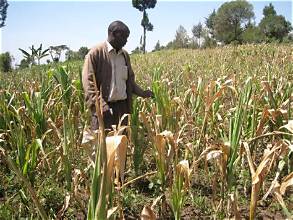
Rice, maize and other crops may face production risks if rainfall becomes irregular or temperatures remain unusually high during sensitive growth stages. In rain-fed farming areas, prolonged dry spells can reduce soil moisture and increase the risk of crop losses.
In India, rainfall distribution and water availability are particularly important for agricultural planning. An El Niño event can increase the risk of unfavourable monsoon conditions, but it does not automatically mean that rainfall will be deficient across the country. Actual outcomes depend on other atmospheric factors and the distribution of rainfall across regions and months.
Farmers may need to adjust sowing dates, select suitable crop varieties and manage irrigation more carefully as seasonal forecasts become clearer.
Americas Face Uncertainty for Maize and Soybean
The Americas contain some of the world’s largest maize and soybean-producing regions. Weather conditions during planting, flowering and grain filling can strongly influence production, making rainfall forecasts important for farmers and international commodity markets.
Depending on regional climate responses, El Niño can bring wetter conditions to some areas and drier conditions to others. Excessive rainfall may delay field operations, increase disease pressure and disrupt harvesting, while drought and heat can limit crop growth and reduce yields.
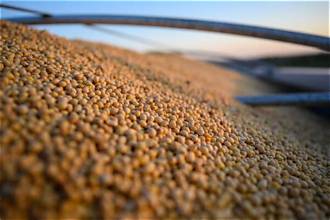
Soybean production is particularly sensitive to moisture availability during reproductive development. Maize can also suffer significant yield losses when heat stress coincides with water shortages during flowering and pollination.
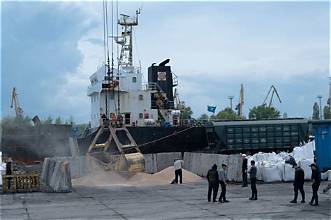
Because these crops are traded internationally, changes in production prospects can affect feed manufacturers, livestock producers, food processors and commodity traders.
Potential Effects on Food Prices and Farmers
Weather-related production losses can tighten global supplies and contribute to higher agricultural commodity prices. Nevertheless, the scale of any price movement will also depend on existing stocks, production in other countries, export policies, transportation costs and global demand.
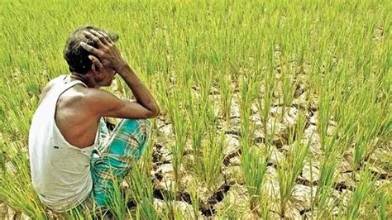
Farmers may face higher irrigation expenses, increased pest and disease management costs, and greater uncertainty when deciding which crops to plant. Smaller farms with limited access to credit, irrigation and weather information can be particularly vulnerable.
At the same time, favourable weather in some regions could partly offset losses elsewhere, making it important to assess actual crop conditions rather than relying solely on broad climate expectations.
Preparing for Climate-Related Agricultural Risks
Agricultural resilience will be essential during the 2026–27 season. Governments, research institutions and farming communities can strengthen preparedness through timely weather advisories, drought-tolerant crop varieties, efficient irrigation, soil-moisture conservation and diversified cropping systems.
Improved access to seasonal forecasts can help farmers make informed decisions about planting dates, seed selection, water management and input purchases. Monitoring crop conditions across major producing regions will also help governments and market participants identify emerging supply risks.
The developing El Niño underscores the importance of climate preparedness in modern agriculture. While its precise effects on global crop production remain uncertain, close monitoring and timely adaptation will be critical to protecting farm incomes, stabilising food supplies and reducing the risks of weather-related disruptions to international agricultural markets.

 By