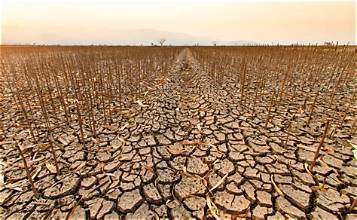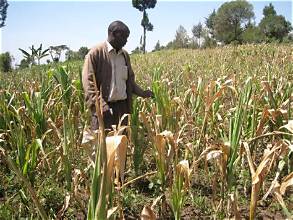
Kenya is facing significant agricultural challenges following severe drought conditions during the 2026 growing season, with maize production prospects deteriorating and concerns mounting over domestic grain supplies. According to the information provided from the USDA Foreign Agricultural Service (FAS), Kenya’s maize production for the 2026–27 marketing year was estimated at 2.2 million metric tonnes in September, approximately 39% below the five-year average.
The projected decline highlights the vulnerability of agricultural production to prolonged dry conditions, particularly in regions where farmers depend heavily on seasonal rainfall. Crop failures reported in parts of the Rift Valley and western counties have added to concerns about food availability, market prices and the livelihoods of farming communities.
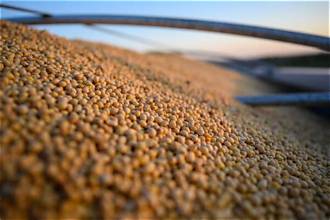
Maize is a staple food in Kenya and plays a central role in household food security, livestock feeding and the country’s agricultural economy. A substantial reduction in domestic production could therefore have consequences extending beyond farmers to consumers, grain traders, millers and food processors.
Drought Conditions Affect Key Maize-Growing Regions
Kenya’s maize production depends significantly on rainfall during planting and crop development. When precipitation is inadequate or irregular, soil moisture declines, limiting germination, vegetative growth and grain formation.
The Rift Valley is one of Kenya’s important agricultural regions, while western counties also contribute to national maize supplies. Drought affecting these areas can reduce harvested volumes and weaken the availability of grain in local markets.
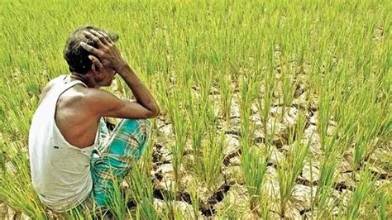
Farmers experiencing prolonged dry spells may face poor crop establishment, wilting plants and reduced yields. In severe cases, entire fields can fail to produce an economically viable harvest. Such losses can be particularly damaging for smallholder farmers, who often have limited access to irrigation, crop insurance and emergency financing.
The final impact depends on the geographical distribution of rainfall deficits, crop conditions and the performance of production areas that have experienced more favourable weather.
Potential Consequences for Kenya’s Food Supply
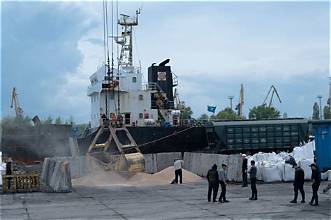
A decline in maize production could widen the gap between domestic supply and consumption requirements. If local harvests fall substantially below demand, traders and food processors may need to source additional grain from neighbouring countries or other international suppliers, depending on market conditions and import policies.
However, increased imports would not automatically eliminate supply pressures. Transportation costs, regional availability, border procedures and international grain prices can all influence the quantity and timing of deliveries.
Reduced domestic availability may also place upward pressure on maize prices. Higher grain prices can increase the cost of maize flour and other staple foods, creating additional difficulties for households that spend a large proportion of their income on food.
The impact on prices will depend on existing grain stocks, imports, government interventions and the distribution of supplies between producing and consuming regions.
Smallholder Farmers Face Income Challenges
The drought could affect farm incomes through lower harvest volumes and reduced marketable surpluses. Farmers who invest in seeds, fertilizers, land preparation and labour may struggle to recover their cultivation expenses when yields decline sharply.
Livestock producers may also face indirect effects if maize availability tightens and feed prices rise. Higher feed costs can increase the expense of raising poultry and other animals, potentially affecting the wider agricultural value chain.
Repeated drought events can further weaken the financial resilience of rural households by reducing savings and limiting their ability to invest in the next planting season.
Strategies to Reduce Future Production Risks
Strengthening climate resilience will be essential for Kenya’s agricultural sector. Improved access to seasonal weather forecasts, drought-tolerant maize varieties, water harvesting and efficient irrigation can help farmers manage periods of insufficient rainfall.
Conservation agriculture, appropriate soil management and timely planting can also support better use of available moisture. Expanding agricultural insurance and improving access to affordable credit may help farming households recover from severe production losses.
At the national level, accurate crop assessments, reliable grain-stock information and diversified supply sources can support timely decisions on food imports and market stabilisation.
Outlook: Food Security Remains a Key Concern
The reported estimate of 2.2 million metric tonnes places Kenya’s 2026–27 maize outlook significantly below its recent historical average. If the projected shortfall is realised, the country could face increased pressure to secure adequate grain supplies while protecting vulnerable households from higher food costs.
Continued monitoring of rainfall, crop conditions, market prices and regional grain availability will be important in determining the scale of the challenge.
Kenya’s situation illustrates how severe drought can affect agricultural productivity, rural livelihoods and national food security simultaneously. Building more resilient farming systems and strengthening preparedness for weather-related disruptions will remain essential to reducing the impact of future crop losses.

 By