Brazil’s soybean planting progress and currency movements are influencing competition in the global oilseed market, creating uncertainty for exporters in the United States. According to the information provided, the Brazilian real has weakened, potentially making Brazilian agricultural products more competitively priced for international buyers. Meanwhile, soybean planting for the 2026–27 season has reportedly reached 42.8%, ahead of the average pace for this stage of the season.
The combination of planting progress and exchange-rate movements is important for global agricultural trade. Brazil and the United States are two of the world’s leading soybean producers and exporters, supplying raw materials to food processors, livestock-feed manufacturers and vegetable-oil industries worldwide.
Changes in Brazilian production prospects, export prices and shipment availability can influence purchasing decisions in major importing markets, including China and other Asian countries.
Weaker Brazilian Currency Could Support Export Competitiveness
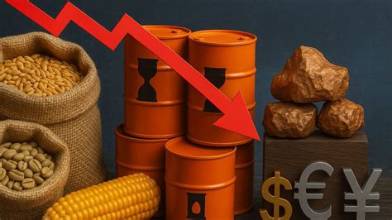
Currency movements are an important factor in international agricultural trade. When the Brazilian real weakens against the US dollar, exporters may receive more local currency for products sold in dollars. Depending on their pricing strategies and production costs, they may be able to offer more competitive prices to overseas buyers.
This can strengthen Brazil’s position in international soybean markets, particularly when importers are comparing offers from Brazilian and US suppliers.
However, exchange rates are only one part of the pricing equation. Ocean freight, port charges, domestic transportation, export premiums, taxes and crop quality also influence the final cost of soybean shipments.
A weaker currency does not automatically translate into lower international prices, but it can give exporters additional flexibility when competing for business.
Soybean Planting Progress Supports Market Attention
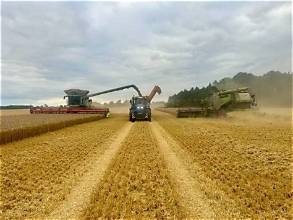
The reported 42.8% planting progress for Brazil’s 2026–27 soybean crop suggests that sowing has advanced ahead of the average pace cited in the supplied report.
Timely planting can provide farmers with greater flexibility in managing crop development and subsequent field operations. Nevertheless, planting progress alone does not determine final production. Rainfall distribution, soil moisture, temperature, pest pressure and growing conditions during the coming months will remain important factors.
Brazil’s soybean harvest typically takes place during the Southern Hemisphere summer and early autumn. As the season progresses, traders will monitor crop establishment and weather forecasts to assess the likely size of the harvest.
If favourable conditions support strong production, Brazil could have substantial supplies available for export in the months ahead. Conversely, adverse weather could affect yield expectations and alter market sentiment.
Implications for US Soybean Exporters
The United States competes directly with Brazil in supplying soybeans to international buyers. When Brazilian shipments become more price-competitive, US exporters may face stronger competition for overseas orders.
This can influence export sales, shipment volumes, export premiums and the prices offered to domestic soybean producers. The extent of the impact depends on global demand, harvest size, existing stocks and the availability of alternative suppliers.
US exporters may remain competitive in markets where buyers value specific delivery periods, quality characteristics, established trade relationships or shorter transportation times. Seasonal differences between the Northern and Southern Hemispheres also influence when each country has large quantities of newly harvested soybeans available.
Consequently, currency movements and planting progress should be considered alongside production estimates and export data when assessing the outlook for US grain markets.
Global Buyers Monitor Prices and Supply
For international buyers, competition between Brazil and the United States can create opportunities to compare prices and diversify procurement. Importers may adjust purchasing schedules according to expected harvests, shipping costs and currency movements.
Soybeans are particularly important because they supply both vegetable oil and soybean meal, a major ingredient in animal feed. Changes in soybean prices can therefore affect poultry production, livestock feeding, food manufacturing and edible-oil markets.
Lower procurement costs may benefit processors and feed manufacturers, although the final impact on consumers depends on processing expenses, domestic demand and distribution costs.
Outlook for the 2026–27 Soybean Season
Brazil’s reported planting progress and currency movements have placed the country in focus as international traders evaluate the next soybean marketing cycle. A combination of favourable crop development and competitive export pricing could strengthen Brazil’s position in global markets.
However, the outlook will depend on final production, weather conditions, export demand and movements in the Brazilian real and US dollar. These variables will help determine how competition between the two major exporters develops over the coming months.
For farmers, traders and agricultural businesses, monitoring crop forecasts, export sales and exchange rates will be essential to understanding price movements in the international soybean market.

 By