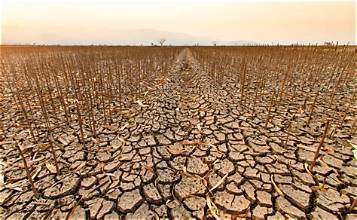
The European Union’s oilseed production outlook for the 2026–27 marketing year has weakened as prolonged heat and drought in parts of western and central Europe raise concerns about crop yields. According to the information provided from the USDA Foreign Agricultural Service (FAS), total EU oilseed production is forecast at 32.25 million metric tonnes, representing a decline of 1% from the previous marketing year despite an expansion in planted area.
The forecast highlights a key challenge for European agriculture: increasing the area under cultivation may not be sufficient to raise total output when unfavourable weather conditions reduce crop productivity. The development could affect the availability of oilseeds for food processing, animal feed and biofuel production, while also influencing the region’s demand for imported agricultural commodities.
Oilseeds are an important component of the EU agricultural economy. Crops such as rapeseed, sunflower seed and soybeans supply raw materials for vegetable oils, protein-rich feed ingredients and industrial applications.
Heat and Drought Put Pressure on Crop Yields
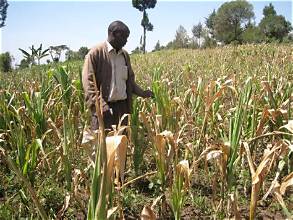
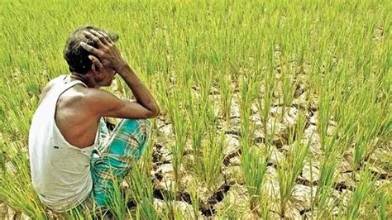
Prolonged high temperatures and inadequate rainfall can affect oilseed development at several stages of the growing season. Water shortages can limit plant growth, reduce nutrient uptake and increase stress during flowering and seed formation.
High temperatures during sensitive reproductive stages may also reduce seed development and lower final yields. The severity of these effects depends on crop variety, soil moisture, irrigation access and the timing of adverse weather.
Western and central Europe contain important agricultural areas where changing rainfall patterns and extended dry spells can influence crop performance. When moisture shortages persist, farmers may struggle to maintain expected productivity even when planted areas increase.
The projected decline in EU oilseed output illustrates how weather-related production risks can offset some of the gains expected from expanded cultivation.
Rapeseed, Sunflower and Soybeans Remain Important
The EU produces several oilseed crops, each serving different markets and processing needs.
Rapeseed is a major source of vegetable oil and protein-rich meal used in animal feed. It also supplies raw materials for biodiesel production. Changes in rapeseed output can therefore affect food processing, livestock production and renewable-fuel industries.
Sunflower seed is another important crop, particularly for edible oil production. If harvests decline in major producing regions, processors may need to adjust procurement strategies or source supplies from alternative markets.
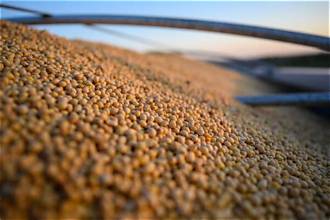
Soybeans contribute to the EU’s supply of vegetable oil and protein meal. Domestic production is supplemented by imports, making international prices and trade flows important factors in the region’s agricultural economy.
The overall impact of the production forecast will depend on how output changes across individual crops and producing countries. Aggregate figures alone do not establish the size of the shortfall for each oilseed.
Implications for Vegetable Oil and Animal Feed Markets
Lower oilseed production could tighten domestic supplies if consumption and processing demand remain steady. Oilseed crushers may face increased competition for raw materials, while feed manufacturers could experience changes in the availability and cost of protein-rich meal.
If domestic supplies prove insufficient, the EU may rely more heavily on imports, depending on international availability, prices and trade conditions. Import requirements will also depend on existing stocks and the competitiveness of alternative suppliers.
Global vegetable oil markets could be affected if European buyers increase demand for imported rapeseed, sunflower seed, soybeans or processed oils. However, the scale of any market impact will depend on production conditions in other exporting countries and broader international demand.
Higher raw-material costs may place pressure on food manufacturers and biofuel producers. Whether these increases reach consumers will depend on processing margins, energy prices, distribution expenses and retail competition.
Challenges for European Farmers
For farmers, drought-related yield losses can reduce the return on investments in seeds, fertilizers, machinery and labour. Expanding planted area may increase total cultivation expenses without guaranteeing higher production.
Farmers may respond by selecting varieties better suited to local conditions, adjusting planting schedules and improving soil-moisture management. Practices such as cover cropping, appropriate soil management and efficient water use can help strengthen resilience, although their effectiveness depends on local conditions.
Access to reliable seasonal forecasts and agricultural advisory services will also be important for making informed crop-management decisions.
Outlook: Weather Remains a Key Production Factor
The USDA FAS forecast of 32.25 million tonnes indicates a modest year-on-year decline in EU oilseed production for 2026–27, according to the supplied figures. The projected reduction underscores the influence of weather conditions on agricultural productivity, even when planted area expands.
Market participants will continue to monitor harvest assessments, crop-specific production estimates, import demand and international vegetable oil prices. These indicators will help determine the implications for European farmers, processors and consumers.
Strengthening climate resilience, improving water management and maintaining diversified supply chains will remain important for supporting Europe’s oilseed sector amid increasing weather uncertainty.

 By