Rising Water Scarcity and Production Costs Push Cotton Growers Towards Wheat and Sunflower Cultivation
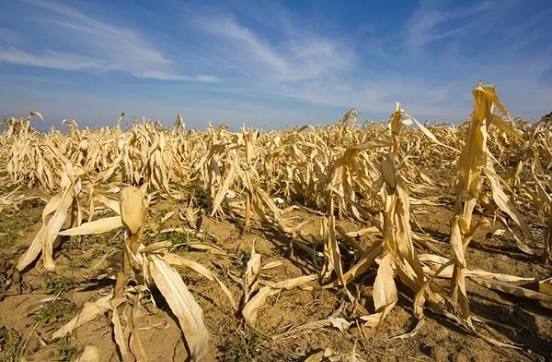
Farmers in western Turkey are increasingly changing their cropping patterns as severe drought conditions and rising agricultural production costs threaten farm incomes and the country’s agricultural output. Declining water availability, particularly in major cotton-growing regions, is forcing farmers to reconsider traditional cultivation practices and explore alternative crops that require less irrigation.
Cotton, one of Turkey’s important agricultural and industrial crops, is facing growing production challenges. Farmers who have traditionally depended on cotton cultivation are increasingly considering alternatives such as wheat and sunflower to reduce their dependence on irrigation and manage rising production expenses.
Cotton Production Expected to Decline Sharply
Turkey’s cotton sector is facing a difficult agricultural season, with national cotton production in 2026 expected to decline by approximately 38%. The situation is particularly concerning in the Soke region of western Turkey, a major cotton-producing area, where cotton cultivation acreage has reportedly decreased by around 60%.
The decline reflects the growing pressure of water shortages on agricultural activities. Cotton requires a substantial amount of water during different stages of crop development, making it particularly vulnerable in regions experiencing prolonged drought and declining irrigation supplies.
For farmers, continuing cotton cultivation under these conditions has become increasingly challenging. Higher irrigation expenses, energy costs and other agricultural inputs are adding to production costs, while uncertain crop yields are increasing financial risks.
Farmers Turn Towards Alternative Crops
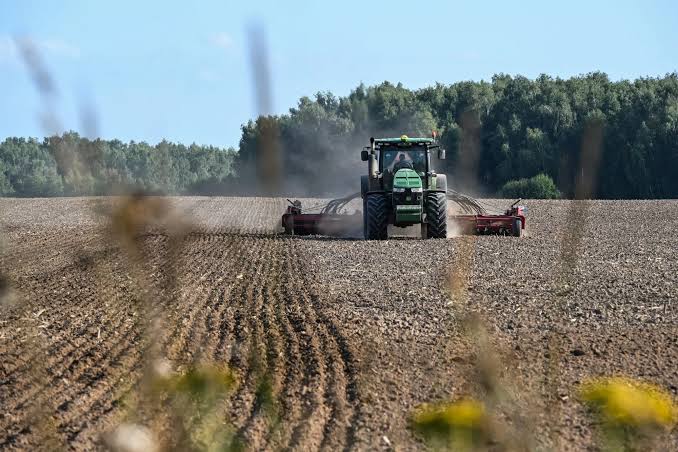
As water availability becomes increasingly uncertain, farmers are exploring alternative cropping systems that can offer better economic stability.
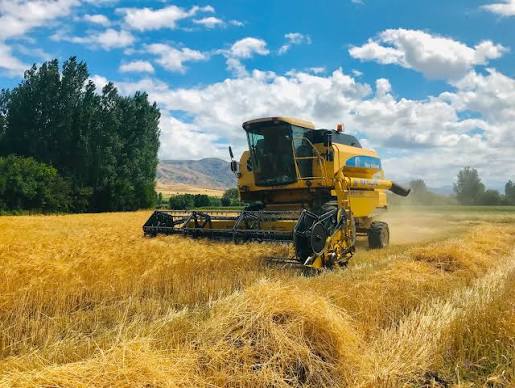
Wheat and sunflower are emerging as potential alternatives for farmers seeking to reduce irrigation requirements. Depending on local soil conditions, rainfall patterns and available varieties, these crops may provide opportunities to manage water resources more efficiently.
Wheat is particularly important because of its role in food security and its relatively adaptable cultivation requirements. Sunflower is also attracting attention as an oilseed crop that can fit into diversified farming systems.
However, changing cropping patterns is not an easy decision. Farmers must consider market prices, seed availability, crop insurance, local weather conditions and access to buyers before shifting away from established crops.
Agriculture Faces Growing Water Challenges
Water scarcity has become a major concern for Turkey’s agricultural sector. Agriculture accounts for approximately 79% of the country’s total water consumption, making it the largest water-using sector.
This high dependence highlights the importance of improving irrigation efficiency, reducing water losses and promoting sustainable agricultural practices.
Traditional flood irrigation methods can result in significant water wastage, particularly in areas facing prolonged dry conditions. Greater adoption of drip irrigation, sprinkler systems, soil-moisture monitoring and improved irrigation scheduling could help farmers use available water more effectively.
In addition, drought-resistant crop varieties, conservation agriculture and better soil-moisture management can contribute to building resilience against changing climatic conditions.
Implications for Turkey’s Agricultural Economy
The changing cropping pattern in western Turkey could have wider implications for the country’s cotton industry, textile supply chains and agricultural markets. Lower domestic cotton production may increase pressure on cotton availability and potentially influence sourcing requirements for textile manufacturers.
At the same time, greater cultivation of wheat and sunflower could gradually reshape regional agricultural production.
The situation also highlights a broader challenge facing agricultural economies worldwide: balancing crop profitability with increasingly limited natural resources.
The Way Forward
Turkey’s experience demonstrates why climate-resilient agriculture and efficient water management are becoming essential for the future of farming. Supporting farmers through modern irrigation infrastructure, drought-tolerant seeds, agricultural research, crop diversification and reliable market access will be critical.
As drought conditions continue to influence farming decisions, the ability to adapt cropping systems to available water resources may determine the long-term sustainability of agricultural production in western Turkey.
For farmers, the challenge is no longer simply choosing which crop offers the highest return, but identifying crops and cultivation practices that can remain economically viable with increasingly limited water resources.

 By