Somalia, South Sudan and Sudan Face Serious Hunger Risks as El Niño Threatens Agricultural Production Across Africa and Other Vulnerable Regions
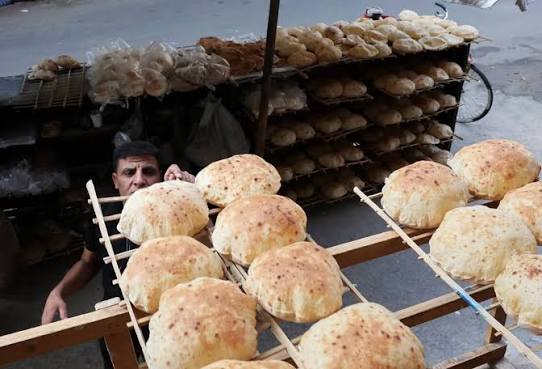
Global food insecurity continues to be a major humanitarian and agricultural concern as armed conflicts, extreme weather events, rising agricultural input costs and economic instability affect vulnerable communities. Millions of people worldwide are struggling to access sufficient and nutritious food, with several countries in Africa facing particularly serious challenges.
According to the World Bank’s October 2026 Food Security Update, food insecurity remains particularly concerning in Eastern and Southern Africa. Between 58 million and 69 million people in the region are projected to require food assistance by April 2027. Somalia, South Sudan and Sudan remain among the countries facing critical food security conditions, with credible famine risks in some areas.
World Bank+1
Somalia, South Sudan and Sudan Face Severe Food Security Risks
The humanitarian situation in Somalia, South Sudan and Sudan remains fragile due to the combined effects of conflict, displacement, economic difficulties and climate-related agricultural disruptions.
In Somalia, prolonged drought conditions, livestock losses and conflict have weakened rural livelihoods. Many farming and pastoral communities depend on seasonal rainfall for crop production, livestock feed and drinking water.
South Sudan continues to face serious food access challenges due to insecurity, displacement, flooding and disruptions to agricultural activities. Limited access to farmland and essential agricultural inputs is making it difficult for many rural households to maintain stable food production.
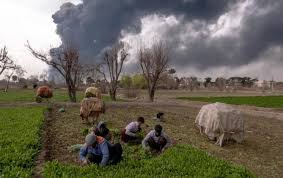
In Sudan, ongoing conflict has disrupted agricultural operations, damaged infrastructure and restricted access to markets. Displacement and difficulties in transporting agricultural commodities have further complicated food distribution.
The FAO-WFP June 2026 Hunger Hotspots report identified Sudan, South Sudan and Somalia among the areas requiring urgent humanitarian attention.
Knowledge4Policy (K4P)+1
El Niño Adds Pressure on Agricultural Production
The developing 2026–27 El Niño event is creating additional concerns for global food security. Changes in rainfall patterns, higher temperatures and extreme weather events could affect agricultural production across several vulnerable regions.
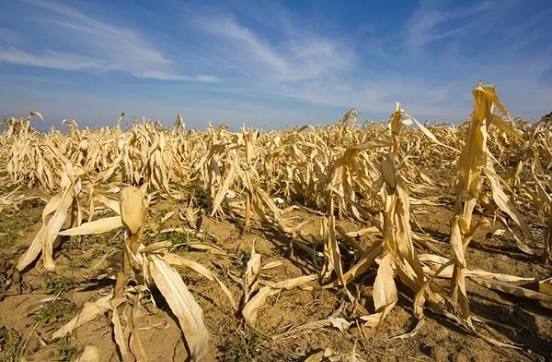
According to FEWS NET’s October 2026 assessment, Southern Africa is expected to experience below-average rainfall and prolonged dry spells during the October 2026–March 2027 agricultural season.
Countries including Zimbabwe, Zambia, Malawi, Mozambique, Madagascar and parts of Angola could face increased agricultural drought risks.
Meanwhile, parts of the Horn of Africa may experience unusually heavy rainfall and flooding, potentially damaging crops, livestock and rural infrastructure.
FEWS NET
Rising Fertilizer and Fuel Costs Increase Farmers’ Burden
Higher agricultural input costs are adding another layer of difficulty for farmers in vulnerable countries.
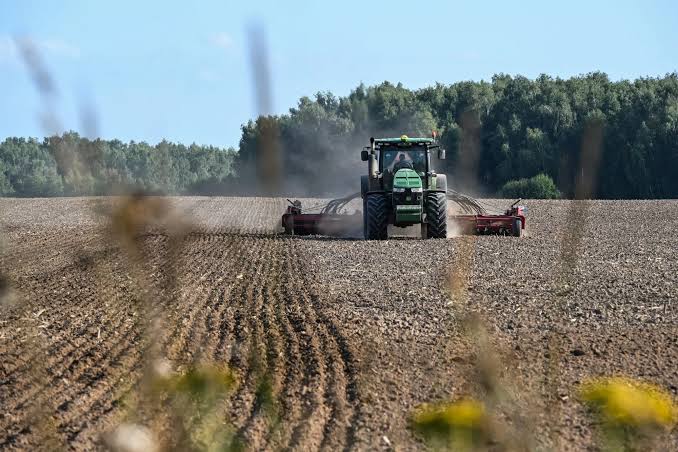
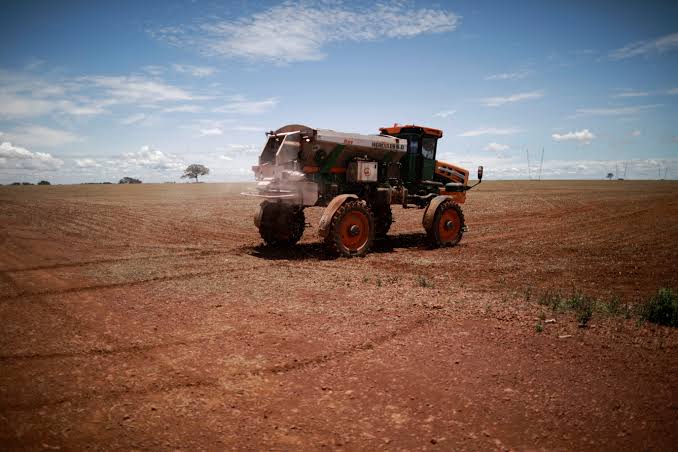
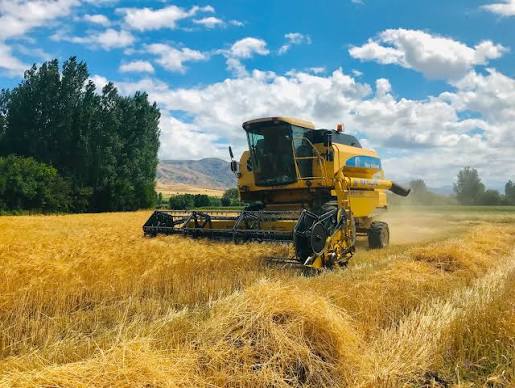
Fertilizers, seeds, fuel, pesticides and transportation are essential for maintaining agricultural productivity. However, rising procurement and logistics expenses are making these inputs increasingly difficult for smallholder farmers to afford.
The World Bank has highlighted that high transportation costs and continued logistical disruptions are contributing to uncertainty in agricultural markets, even as global food supplies remain broadly adequate.
In low-income countries, domestic food inflation is also putting additional pressure on household purchasing power.
World Bank+1
Global Food Security Outlook for 2027
The World Food Programme (WFP) has warned that the strengthening El Niño weather pattern could significantly worsen food insecurity in vulnerable countries.
Its August 2026 analysis estimated that the number of acutely food-insecure people across 45 assessed countries could increase from approximately 225 million to 274 million under the projected climate-related impacts.
Southern Africa and parts of East Africa are among the regions facing substantial risks because of their dependence on rain-fed agriculture and exposure to extreme weather.
World Food Programme
Strengthening Agricultural Resilience Is Essential
Agricultural resilience and long-term food security require coordinated action from governments, international organisations and agricultural institutions.
Important priorities include:
- Expanding irrigation infrastructure and rainwater harvesting.
- Promoting drought-tolerant and climate-resilient crop varieties.
- Improving access to affordable seeds, fertilizers and other agricultural inputs.
- Strengthening crop insurance and financial assistance for smallholder farmers.
- Developing climate-based early-warning and agricultural advisory systems.
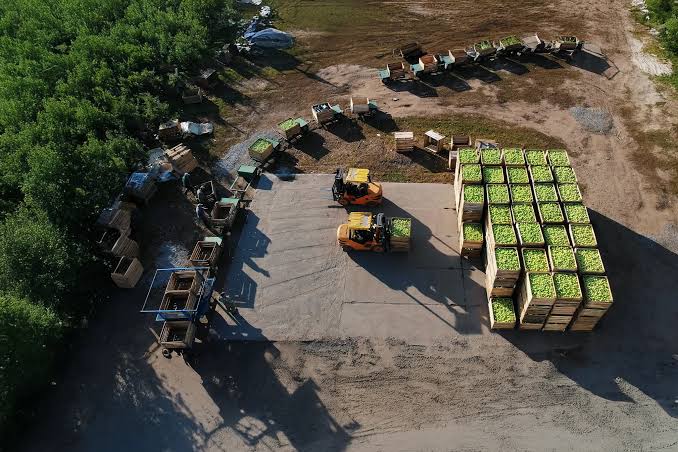
- Improving grain storage, transportation and rural market infrastructure.
- Increasing investment in sustainable farming and agricultural research.
Conclusion
Global food insecurity is increasingly influenced by the combined effects of conflict, climate change, economic instability and rising agricultural production costs. The situation in Somalia, South Sudan and Sudan demonstrates how quickly agricultural disruptions can develop into wider humanitarian crises.
The expected El Niño impacts during 2026–27 could create additional challenges for farmers and vulnerable households, particularly across Southern and Eastern Africa.
Strengthening agricultural infrastructure, supporting smallholder farmers, improving water management and ensuring access to affordable farming inputs will be essential to protecting food production and rural livelihoods.
The future of global food security will depend not only on producing more food but also on building agricultural systems capable of withstanding climate shocks, economic pressures and international conflicts.

 By