Extreme Weather Threatens Agricultural Productivity Across South America, Africa and Southeast Asia as Experts Warn of Growing Risks to Global Food Supplies
The intensifying El Niño weather phenomenon is raising concerns about global agricultural production, water availability and food security, with several farming regions facing increased risks of drought, extreme heat, wildfires and flooding. Climate experts and international agricultural organisations are closely monitoring the developing conditions as the 2026–27 El Niño event is expected to have significant consequences for farming communities and food supply chains.
According to the World Meteorological Organization (WMO), the current El Niño event could become exceptionally strong, with sea surface temperature anomalies in the central tropical Pacific potentially reaching around 3.8°C above average between November 2026 and January 2027. The phenomenon is expected to peak towards the end of 2026, although its effects could continue well into 2027.
World Meteorological Organization+1
South America Faces Drought and Extreme Weather Risks
Parts of South America are experiencing changing rainfall patterns, with some agricultural regions facing drought while others are exposed to excessive rainfall.
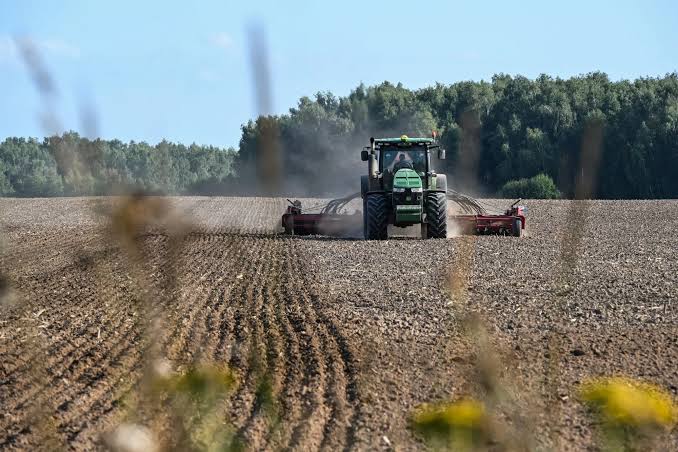
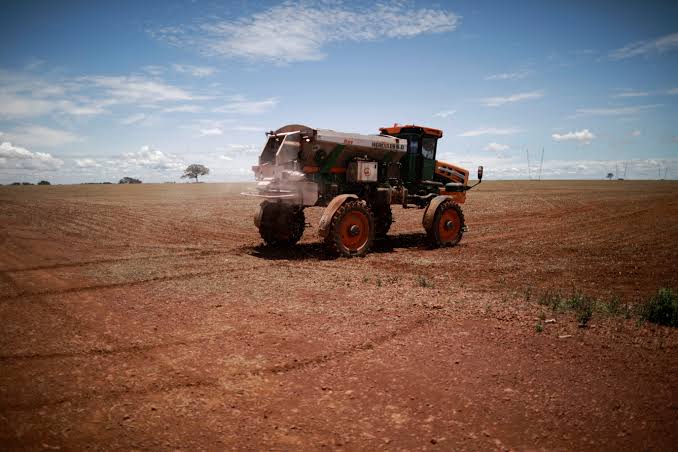
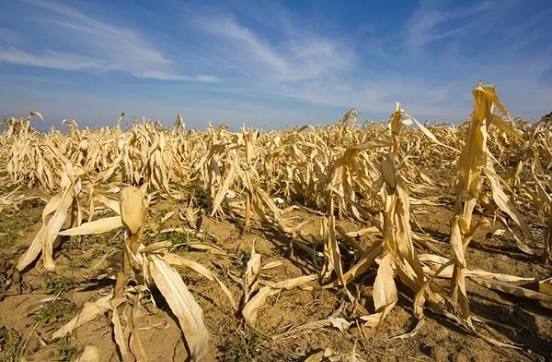
These conditions could affect major agricultural commodities, including soybeans, maize, wheat and other food crops. Irregular rainfall during planting and crop development can reduce soil moisture, affect flowering and grain formation, and increase the risk of production losses.
Drought conditions can also increase irrigation requirements and raise production costs for farmers.
Southeast Asia Faces Heat and Water Shortages
Southeast Asia is another region facing significant agricultural risks from the developing El Niño.
Countries such as Indonesia, Malaysia, Thailand and Vietnam could experience higher temperatures and below-average rainfall in vulnerable agricultural areas.
Rice production is particularly important because the region includes some of the world’s largest rice-producing and exporting countries. Water shortages during critical crop development stages could affect yields and irrigation availability.
In Indonesia and Malaysia, reduced rainfall could also create challenges for palm oil production. Increasing temperatures and dry conditions are additionally raising concerns about wildfires and smoke pollution.
The WMO has identified Southeast Asia as a region where warmer conditions and rainfall deficits could increase pressure on agriculture and water resources.
World Meteorological Organization+1
Southern Africa Faces Growing Drought Threats
Southern Africa is among the regions facing particularly high agricultural risks during the 2026–27 growing season.
Countries including Zimbabwe, Zambia, Mozambique, Malawi and parts of South Africa could experience below-average rainfall and prolonged dry spells.
These conditions may affect maize cultivation, livestock production, pasture availability and agricultural employment.
Maize is a major staple food across much of Southern Africa. A significant reduction in production could affect regional food availability, increase import requirements and put upward pressure on food prices.
The FEWS NET October 2026 assessment identifies Southern Africa as a high-concern region for drought-related food security risks.
East Africa Faces Flooding and Agricultural Disruptions
Unlike Southern Africa, parts of East Africa are expected to experience above-average rainfall during the October–December 2026 rainy season.
Although additional rainfall can benefit agricultural production and replenish water resources, excessive precipitation could increase the risk of flooding, soil erosion and crop damage.
Heavy rainfall may also disrupt planting schedules, damage rural infrastructure and affect livestock movement.
The Horn of Africa therefore faces a complex situation in which drought-related challenges in some areas may be followed by flooding in others.
World Meteorological Organization+1
Implications for Global Food Security
The potential impact of El Niño extends beyond individual farming regions. Agricultural production disruptions can influence international commodity prices, food trade, transportation costs and the availability of essential food products.
Reduced production of maize, rice, soybeans and other major crops could affect food processors, livestock feed manufacturers and importing countries.
According to FEWS NET, the effects of the 2026–27 El Niño could increase food assistance requirements in vulnerable regions, particularly during the following agricultural lean seasons.
Farmers Need Climate-Resilient Agricultural Practices
Agricultural experts emphasise the importance of early preparedness and climate-smart farming practices to reduce potential losses.
Key measures include:
- Adopting drought-tolerant and short-duration crop varieties.
- Improving drip and sprinkler irrigation systems.
- Promoting rainwater harvesting and groundwater conservation.
- Adjusting sowing dates according to seasonal weather forecasts.
- Strengthening crop insurance and agricultural early-warning systems.
- Improving livestock fodder storage and water availability.
Outlook
The developing El Niño event highlights the growing vulnerability of global agriculture to climate variability. While the intensity and distribution of its impacts will differ across regions, droughts, floods and extreme temperatures could create significant challenges for agricultural production during the 2026–27 season.
Strengthening climate preparedness, supporting smallholder farmers and investing in sustainable water management will be essential to protect agricultural productivity and maintain stable food supplies.

 By