FAO Food Price Index Falls 1.2% Month-on-Month as Cereal, Dairy and Meat Prices Ease, While Sugar Records Another Increase
Global food commodity prices declined in October 2026 compared with the previous month, offering some relief to international food markets. However, prices remained considerably higher than their levels a year earlier, highlighting continuing pressures on global food supply chains and agricultural markets.
According to the latest figures from the Food and Agriculture Organization (FAO) of the United Nations, the FAO Food Price Index averaged 133.9 points in October 2026, representing a decline of 1.2% from September. Despite the monthly reduction, the index was still 5.9% above its October 2025 level.
The latest movement reflects different trends across major agricultural commodity groups, with cereal, dairy and meat prices declining, while sugar prices continued their upward trajectory.
Cereal Prices Record the Sharpest Decline
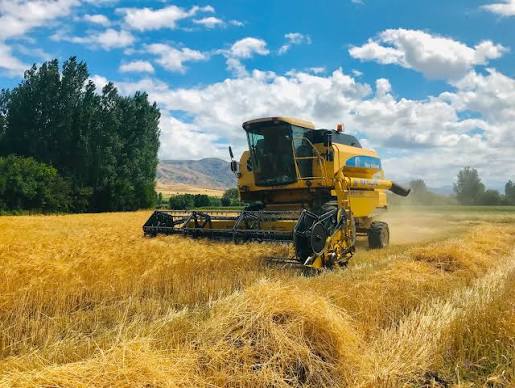
Cereal prices experienced a significant correction during October, with the FAO cereal price index declining by 4.5% compared with September.
The decline indicates easing price pressure in international grain markets. Improved supply expectations, changing export availability and developments in global trade have influenced cereal market movements.
Wheat, maize and other major grains remain important commodities for global food security, livestock feed production and international agricultural trade. Changes in their prices directly affect food manufacturers, import-dependent countries, farmers and consumers.
Lower international cereal prices could provide some relief to countries that depend heavily on imported grains. However, the benefits for consumers may take time to become visible because retail food prices are also influenced by transportation, processing, storage and domestic distribution costs.
Dairy and Meat Prices Also Decline
The international dairy and meat markets also recorded price declines in October.
The reduction in dairy prices reflects changing market conditions, including supply availability and international purchasing demand. Dairy products are important components of food consumption worldwide, and fluctuations in their international prices influence the economics of milk production and dairy processing.
Meat prices also moved downward during the month. Developments in export supplies, consumer demand and international trade conditions continue to influence the global livestock and meat industries.
Although these declines indicate some easing of commodity price pressures, market conditions remain different across individual products and regions.
Sugar Prices Rise for the Fourth Consecutive Month
In contrast to the broader downward movement, sugar prices increased by 6.6% in October, marking their fourth consecutive monthly rise.
The continued increase highlights the vulnerability of sugar markets to changing production expectations, weather conditions and export availability.
Sugar production is closely linked to climatic conditions in major producing countries. Variations in rainfall, temperature and crop yields can influence sugarcane and sugar beet production, affecting international supplies and prices.
The latest increase could create additional challenges for food processing industries and countries dependent on imported sugar.
Vegetable Oil Prices Edge Higher
Vegetable oil prices recorded a modest increase of 0.3% during October.
The relatively small increase indicates a mixed market situation, with developments in palm oil, soybean oil, sunflower oil and rapeseed oil influencing international prices.
Vegetable oils are essential commodities for household consumption, food manufacturing and the biofuel industry. Their prices are affected by oilseed production, export policies, energy markets and global demand.
Implications for Global Agriculture and Food Security
The October figures demonstrate that international food commodity markets remain highly dynamic. While declining cereal, dairy and meat prices may ease some import costs, rising sugar prices and continuing volatility in other agricultural commodities present challenges for food producers and consumers.
For farmers, commodity price movements influence crop selection, investment decisions and expected returns. For importing countries, lower global prices can improve purchasing conditions, although currency fluctuations and transportation expenses may limit the benefits.
Outlook
The global agricultural market will continue to depend on production levels, weather conditions, international trade policies and demand across major importing economies.
The October 2026 FAO Food Price Index highlights an important development: global food prices are showing signs of monthly moderation, but the overall cost environment remains higher than last year. Maintaining stable agricultural production, strengthening supply chains and improving market resilience will remain essential for global food security.

 By