World Leaders and Climate Experts Gather in Antalya to Address Agricultural Resilience, Water Scarcity and the Future of Sustainable Food Systems
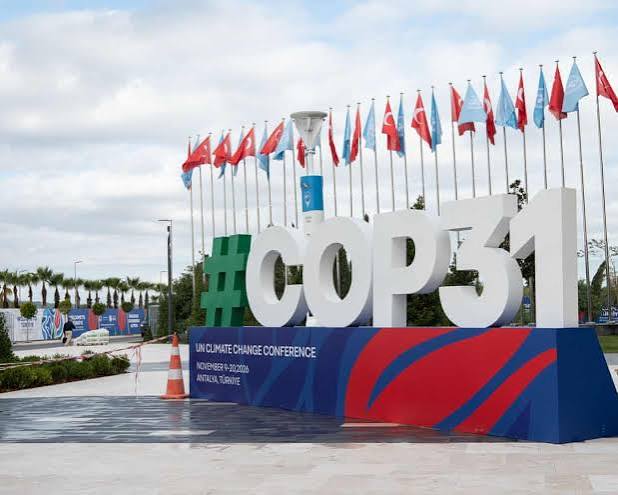
The 31st United Nations Climate Change Conference (COP31) opened on November 9, 2026, in Antalya, Türkiye, bringing global attention to the growing impact of climate change on agriculture, food production and rural livelihoods. Scheduled to continue until November 20, the summit is expected to provide an important platform for discussions on climate resilience, sustainable agricultural practices, water management and global food security.
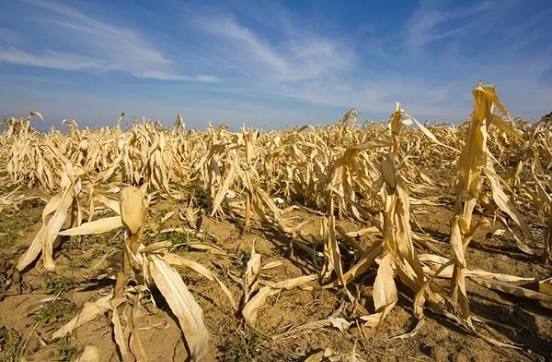
Agriculture is among the sectors most directly affected by climate change. Increasing temperatures, irregular rainfall, prolonged droughts, floods and extreme weather events are creating significant challenges for farmers across different regions. These developments are affecting crop productivity, livestock management, soil health and the availability of essential agricultural resources.
For countries heavily dependent on agriculture, strengthening climate resilience has become an important priority for protecting farmers’ incomes and maintaining stable food supplies.
Agriculture and Food Security Take Centre Stage
One of the major areas of discussion at COP31 is expected to be the vulnerability of agricultural systems to changing climatic conditions. Farmers in developing countries are particularly exposed to climate-related risks because many depend on seasonal rainfall and have limited access to irrigation infrastructure, climate information and financial protection.
The summit is expected to highlight the importance of climate-smart agriculture, improved crop varieties, sustainable farming methods and stronger agricultural extension services.
Water Management Becomes a Critical Priority
Water scarcity is emerging as one of the most serious challenges for global agriculture. Rising temperatures and changing rainfall patterns are increasing pressure on freshwater resources, particularly in drought-prone agricultural regions.
Efficient irrigation systems, rainwater harvesting, watershed development and improved groundwater management are important measures for strengthening agricultural resilience.
Drip irrigation, sprinkler systems and soil-moisture monitoring technologies can help farmers improve water-use efficiency while maintaining crop productivity.
For water-stressed countries, investment in sustainable water management will be essential to protect agricultural production and rural livelihoods.
Agrifood Systems and Greenhouse Gas Emissions
Another important dimension of the climate discussions is the contribution of agrifood systems to greenhouse gas emissions.
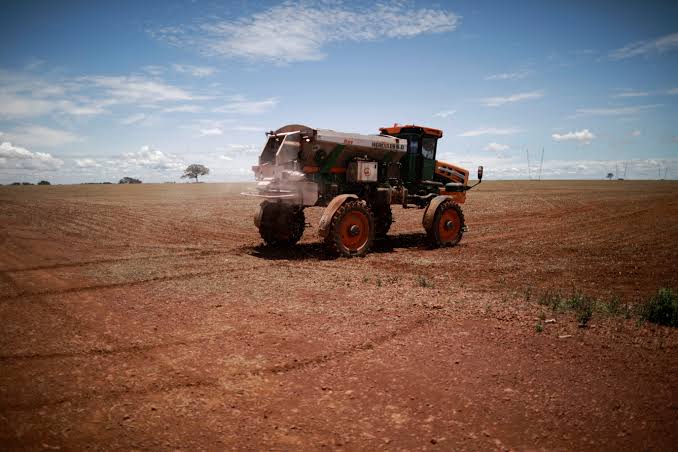
Agriculture and food systems are connected to emissions through livestock production, fertilizer application, rice cultivation, energy consumption, land-use changes, food processing and transportation.
Reducing emissions while maintaining agricultural productivity is therefore a major challenge for policymakers and the agricultural industry.
Strategies such as precision farming, improved fertilizer management, renewable energy, better livestock management, agroforestry and reduced food loss can contribute to more sustainable agrifood systems.

 By