New Export Limit Set at 18.8 Million Tonnes for December 2026–May 2027 as Moscow Prioritises Domestic Agricultural Requirements
Russia has announced a reduction in its mineral fertilizer export quota for the period from December 2026 to May 2027, a decision that could influence international fertilizer trade and procurement strategies. The move is aimed at ensuring sufficient fertilizer availability for domestic agricultural producers while maintaining stability in the country’s agricultural input market.
According to a Russian government decree issued on November 5 and reported on November 6, 2026, the total export quota has been fixed at approximately 18.9 million tonnes, compared with the previous limit of 20 million tonnes for June–November 2026. The revised restriction will remain in effect from December 1, 2026, to May 31, 2027.
consultant.ru+2
Nitrogen and Complex Fertilizers Covered
The revised quota covers different categories of mineral fertilizers, including nitrogen and complex fertilizers.
According to the government announcement, the allocation includes:
- Total mineral fertilizers: Approximately 18.9 million tonnes.
- Nitrogen fertilizers: More than 11.3 million tonnes.
- Complex fertilizers: More than 7.5 million tonnes.
The quota is designed to regulate fertilizer exports while ensuring that domestic farmers and agricultural input consumers have access to adequate supplies.
interfax.ru+1
Why Has Russia Reduced the Export Quota?
Russia is one of the world’s major producers and exporters of mineral fertilizers. Its products play an important role in international agricultural supply chains, particularly for countries dependent on imported nitrogen and phosphate-based fertilizer products.
The government has explained that the revised export restrictions are intended to maintain sufficient fertilizer availability in the domestic market and support uninterrupted supplies to agricultural producers and feed manufacturers.
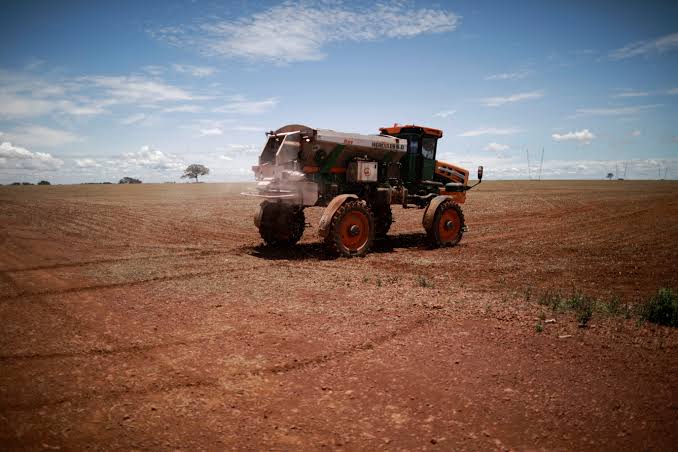
Fertilizers are essential for maintaining soil fertility, improving crop growth and achieving higher agricultural productivity. Nitrogen fertilizers support vegetative development, while complex fertilizers supply multiple essential nutrients required for crop production.
Ensuring domestic availability is particularly important during agricultural seasons when farmers prepare land and purchase inputs for upcoming planting activities.
Possible Impact on International Fertilizer Markets
The reduction in Russia’s export quota could influence international fertilizer availability and purchasing decisions, particularly among countries that rely on Russian supplies.
Importers may need to review procurement schedules, diversify sourcing destinations and strengthen fertilizer inventories to manage potential supply uncertainties.
Any significant adjustment in export availability could also influence international fertilizer prices, depending on demand, inventories and supplies from other major producing countries.
However, the actual market impact will depend on how much of the permitted export volume is utilised and whether alternative suppliers can meet international demand.
Implications for Agricultural Importing Countries
Countries with substantial fertilizer import requirements may need to pay closer attention to international supply developments.
For agricultural economies, fertilizer availability and affordability directly affect farmers’ production costs and crop profitability. Any prolonged increase in fertilizer prices could influence planting decisions, input application rates and overall agricultural production expenses.
Importing countries may therefore focus on diversifying fertilizer suppliers, improving domestic production capacity and promoting balanced nutrient management.
Outlook
Russia’s revised fertilizer export quota highlights the growing importance of supply security in international agricultural input markets. While the measure is primarily intended to protect domestic availability, its implications could extend to global fertilizer trade and agricultural production costs.
As the December 2026–May 2027 restriction period approaches, fertilizer importers, distributors and agricultural policymakers will closely monitor export availability, international prices and procurement trends.
For farmers worldwide, maintaining reliable access to affordable fertilizers will remain essential for protecting crop productivity, farm incomes and global food security.

 By