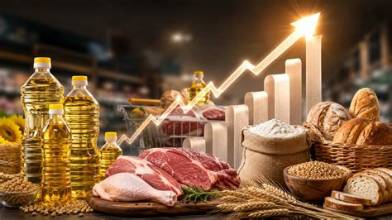
Global cereal production is expected to reach approximately 2,999 million tonnes in 2026, maintaining one of the highest production levels ever recorded despite a slight decline from the record achieved in 2025, according to the latest assessment by the Food and Agriculture Organization of the United Nations (FAO).
The forecast indicates that global grain production will remain relatively strong, reflecting continued agricultural output across major cereal-producing regions. However, declining production prospects for several important crops, particularly wheat and rice, are creating concerns about future supply conditions and international agricultural trade.
According to FAO’s November 6 Cereal Supply and Demand Brief, the projected production of 2,999 million tonnes would make 2026 the second-highest year for global cereal production on record. Output is expected to decline across all major cereal categories, although the extent of the reduction will vary between crops.
Global Cereal Trade Expected to Decline by 3.3%
Alongside the production outlook, FAO has projected a decline in international cereal trade during the 2026–27 marketing season. Global cereal trade is forecast to decrease by 3.3% to approximately 507.7 million tonnes, representing a reduction of 17.4 million tonnes compared with the previous season.
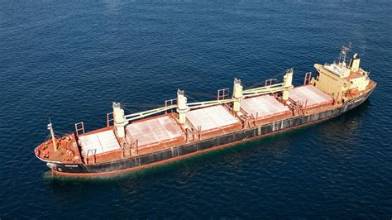
The expected contraction is primarily driven by a projected 8.6% decline in international wheat trade. Shipments from major exporting countries are expected to decrease because of supply limitations and logistical constraints affecting international grain transportation.
Disruptions to export routes and changing availability in major producing countries could influence purchasing decisions among importing nations. These developments may also increase competition for available supplies in certain international markets.
In contrast, global maize trade is forecast to increase by 2.2%, supported by larger exportable supplies from Argentina. Rice trade is also expected to recover in 2027, with projected growth of 2.9% to 61.6 million tonnes, supported by stronger import demand and increased shipments from India and Pakistan.
Rice and Wheat Production Face Challenges
Among major cereals, wheat is expected to experience the most significant production decline. Rice production is also forecast to contract for the first time in four seasons, declining by 2.5% to approximately 552 million tonnes.
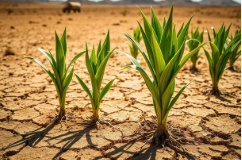
FAO attributes the weaker rice outlook mainly to reduced producer profitability and adverse weather conditions associated with the developing El Niño phenomenon.
These developments could create additional challenges for countries that depend heavily on international wheat and rice markets to meet domestic food requirements.
Global Cereal Consumption Continues to Increase
Despite the anticipated decline in production, worldwide cereal utilization is projected to increase slightly during 2026–27. FAO estimates global cereal consumption at 2,971 million tonnes, representing a 0.2% increase compared with the previous season.
Food consumption is expected to account for most of this growth, with increasing demand for wheat and rice for human consumption.
Meanwhile, global cereal stocks are forecast to increase by 17.2 million tonnes, or 1.8%, by the end of the 2026–27 marketing season. The global cereal stocks-to-use ratio is projected at 32.4%, slightly higher than the previous season.
Implications for Global Food Security
The latest FAO outlook presents a mixed picture for international agriculture. While global cereal production remains historically high and projected stocks are increasing, declining wheat trade, logistical challenges and weather-related uncertainties could influence regional food availability and commodity prices.
For major agricultural exporters, importers and policymakers, maintaining reliable trade routes and stable supply chains will be essential to managing market uncertainties.
Overall, the 2026 outlook suggests that global cereal production remains strong, but the expected decline in international trade highlights the growing importance of efficient logistics, climate resilience and cooperation among major grain-producing and importing countries.


 By