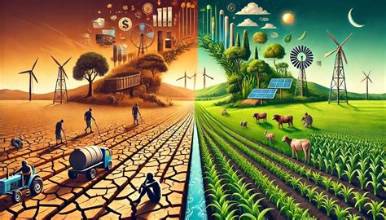
An exceptionally strong El Niño phenomenon, combined with rising fuel and energy costs, is emerging as a major threat to agricultural production across several regions of the world. The European Commission’s Joint Research Centre (JRC) has warned that deteriorating weather conditions, rainfall deficits and increasing production expenses could create significant challenges for farmers during the 2026–27 agricultural season.
According to the JRC’s October 2026 edition of its Anomaly Hotspots of Agricultural Production (ASAP) assessment, climate-related risks are becoming increasingly visible across Southern Africa, Central America and parts of South America. The report highlights the potential impact of prolonged drought, high temperatures and changing rainfall patterns on major food crops, particularly maize and beans.
The assessment also identifies high fuel and energy costs as important pressures on agricultural production, adding to the challenges faced by farmers and agricultural supply chains.
Southern Africa Faces a Challenging Planting Season
Southern Africa is entering its main summer agricultural season under mixed weather conditions. Land preparation and planting of summer cereals have started in several areas, but some parts of the region are already experiencing below-average early-season rainfall.
The situation is particularly concerning in parts of Angola and Zambia, where delays in the beginning of the agricultural season have been observed.
Climate forecasts indicate a high probability of below-normal rainfall and above-normal temperatures across central and southern parts of the Southern African Development Community (SADC) region through March 2027.
Maize, the region’s primary staple food crop, is particularly vulnerable to prolonged dry conditions. Insufficient rainfall during critical crop growth stages could affect germination, crop establishment, flowering and grain development, potentially reducing yields during the 2026–27 season.
Drought Causes Major Crop Losses in Central America
Central America is already experiencing significant agricultural damage due to El Niño-related drought and unusually high temperatures.
According to the JRC assessment, many subsistence farmers in Guatemala, El Salvador, Honduras and Nicaragua have reported losses exceeding 75% of their first-season maize and bean harvests, known as the Primera season.
The situation is particularly serious in the Central American Dry Corridor, where prolonged rainfall deficits have affected agricultural production and rural livelihoods.
Dry weather conditions are also threatening the subsequent Postrera planting season, raising concerns about further production losses and reduced food availability for vulnerable farming communities.
Maize and beans are essential food crops across Central America, making these production losses particularly important for household food security.
Peru and Bolivia Declare National Emergencies
In South America, severe drought conditions have also affected agricultural regions in Peru and Bolivia. Both countries have declared national emergencies in response to drought-related impacts.
The JRC report highlights the contrasting weather conditions across the continent, with some coastal areas experiencing heavy rainfall, flooding and landslides while Andean regions face severe water shortages.
These extreme weather patterns are affecting agricultural activities and creating additional uncertainty for crop production.
Rising Energy Costs Increase Agricultural Pressure
Apart from weather-related challenges, higher fuel and energy prices are increasing production costs throughout the agricultural value chain.
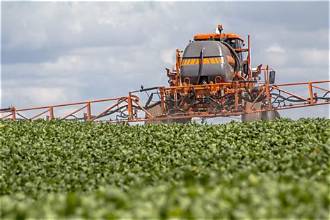
Agriculture depends heavily on energy for irrigation, farm machinery, transportation, processing and fertilizer manufacturing. Rising energy expenses can increase the cost of cultivation and reduce profit margins for farmers.
Higher transportation and input costs may also affect food prices, particularly in countries dependent on imported agricultural commodities and fertilizers.
Global Food Security Outlook
The combination of extreme weather, declining crop prospects in vulnerable regions and rising agricultural input costs is creating additional uncertainty for global food security.
The JRC has emphasized the importance of closely monitoring crop conditions and rainfall patterns during the coming months. Timely agricultural advisories, efficient water management, climate-resilient farming practices and preparedness measures will be essential to reducing potential production losses.
With the strong El Niño expected to influence global weather patterns into early 2027, the performance of the upcoming agricultural season will remain an important concern for farmers, policymakers and international food markets.
The latest assessment underlines a critical challenge for global agriculture: protecting crop production and rural livelihoods at a time when climate risks and rising energy costs are putting additional pressure on farming systems.


 By