international fertiliser costs and global supply-chain disruptions.
The decision was taken by the Union Cabinet on November 11, 2026, under the Nutrient Based Subsidy (NBS) scheme for phosphatic and potassic (P&K) fertilisers. The approved subsidy will remain applicable from October 1, 2026, to March 31, 2027.
According to the Ministry of Chemicals and Fertilizers, the latest allocation is approximately ₹24,417.73 crore higher than the ₹37,952.29 crore provided for the previous Rabi season, representing an increase of more than 64%.
The enhanced allocation reflects the government’s response to rising international fertiliser prices and increasing costs of important raw materials, including urea, di-ammonium phosphate (DAP), muriate of potash (MOP) and sulphur.
Global Supply Disruptions Increase Fertiliser Costs
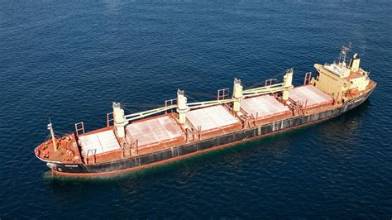
International fertiliser markets have faced considerable uncertainty due to geopolitical tensions and disruptions in global supply chains. The Russia-Ukraine conflict and tensions affecting major energy and shipping routes have contributed to volatility in fertiliser prices and raw material availability.
India depends significantly on imports of several fertilisers and essential manufacturing inputs. Consequently, fluctuations in international prices can increase the country’s fertiliser import bill and put additional pressure on domestic agricultural input markets.
The latest subsidy approval is intended to absorb part of these international cost increases and maintain the availability of essential nutrients for Indian farmers during the important winter cropping season.
DAP Availability at ₹1,350 per Bag to Continue
One of the important features of the government’s decision is the continuation of special provisions to ensure the availability of DAP at a fixed price of ₹1,350 per 50-kg bag for farmers, over and above the regular NBS subsidy.
The government has also extended special provisions to imported and domestically produced Triple Superphosphate (TSP) and imported Monoammonium Phosphate (MAP).
Additionally, freight subsidies for Single Superphosphate (SSP) will continue during the Rabi season. Subsidy support for imported and domestically manufactured ammonium sulphate will also remain in place.
These measures are expected to support the availability of different fertiliser options and help maintain affordable access to essential crop nutrients.
Higher Nutrient-Based Subsidy Rates Announced
Under the revised NBS framework, the government has approved the following subsidy rates for the four major nutrients:
- Nitrogen (N): ₹94.21 per kg
- Phosphorus (P): ₹66.11 per kg
- Potassium (K): ₹2.38 per kg
- Sulphur (S): ₹10.42 per kg
The subsidy is provided to fertiliser manufacturers and importers according to approved nutrient-based rates, enabling them to make P&K fertilisers available to farmers at subsidised prices.
Fertiliser Stocks Show Improvement
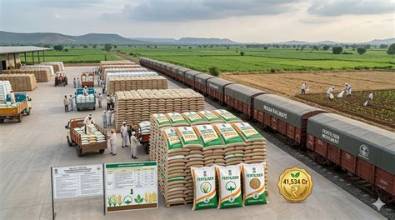
India’s fertiliser availability has also improved compared with the previous year. According to government data, total stocks of major fertilisers reached 235.21 lakh tonnes as of November 10, 2026, compared with 173.46 lakh tonnes on the corresponding date in 2025.
This represents an increase of approximately 35.6%, providing additional support for fertiliser distribution during the current agricultural season.
Implications for Indian Agriculture
The Rabi season is particularly important for the production of wheat, mustard, pulses, gram and other winter crops. Timely availability of fertilisers is essential for maintaining crop nutrition, productivity and farm profitability.
The increased subsidy allocation is expected to provide financial protection against fluctuations in international fertiliser prices while supporting the agricultural input supply chain.
Overall, India’s ₹62,370-crore fertiliser subsidy package highlights the growing importance of government support in maintaining affordable agricultural inputs. As international markets continue to face price volatility and logistical challenges, ensuring reliable fertiliser supplies will remain a critical factor in protecting farmers and strengthening India’s agricultural production system.


 By