The India Meteorological Department (IMD) has forecast above-average rainfall across the country for July, offering a significant boost to farmers and policymakers amid the ongoing Kharif sowing season. After a slightly delayed onset, the monsoon is now expected to pick up pace, ensuring timely and widespread coverage across key agricultural states.
According to the IMD’s latest monthly outlook, July rainfall is likely to be 106% of the Long Period Average (LPA), with central and western parts of India expected to receive well-distributed precipitation. This could benefit major crop-growing regions including Maharashtra, Madhya Pradesh, Gujarat, Uttar Pradesh, and Telangana.
“This July, rainfall is expected to be above normal over most parts of the country, particularly in the central and peninsular regions, which are crucial for Kharif crop sowing,” said an IMD official. “This should help compensate for the initial delays experienced in June and support agricultural operations going forward.”
Relief for Farmers and Sowing Progress
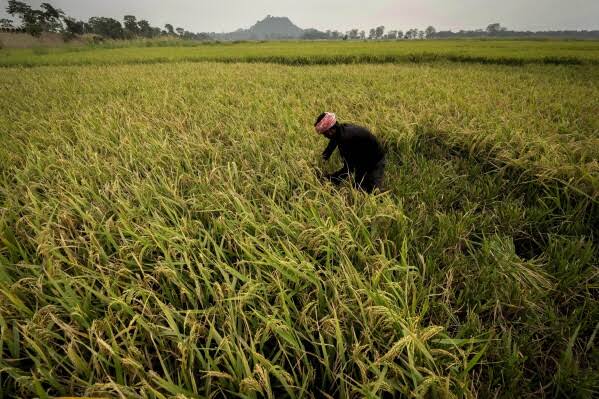
The forecast comes as welcome news for the farming community, especially in rain-fed areas that depend heavily on timely monsoons for the cultivation of crops such as paddy, pulses, cotton, soyabean, and millets.
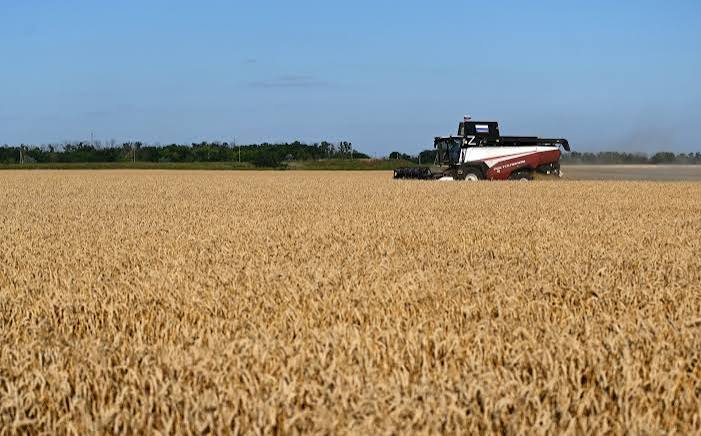
As of this week, Kharif sowing has already picked up momentum in several states. Officials from the Ministry of Agriculture said sowing activities are likely to accelerate rapidly in July if the rains continue as predicted.
Agriculture experts have also pointed out that above-average rainfall could help replenish groundwater levels, reservoirs, and soil moisture, leading to better crop health and productivity in the coming months.
Impact on Economy and Food Prices
A strong monsoon season typically has a positive impact on India’s rural economy, boosting farm output, improving rural demand, and keeping food inflation under control. In recent months, retail prices of some essential food items had shown an upward trend due to weather-related disruptions and logistical challenges.
“A robust monsoon this July may help stabilise prices, particularly of vegetables, pulses, and oilseeds,” said Dr. Ramesh Kumar, an agricultural economist. “It will also reduce the need for irrigation in water-stressed zones, lowering input costs for farmers.”
Continued Monitoring
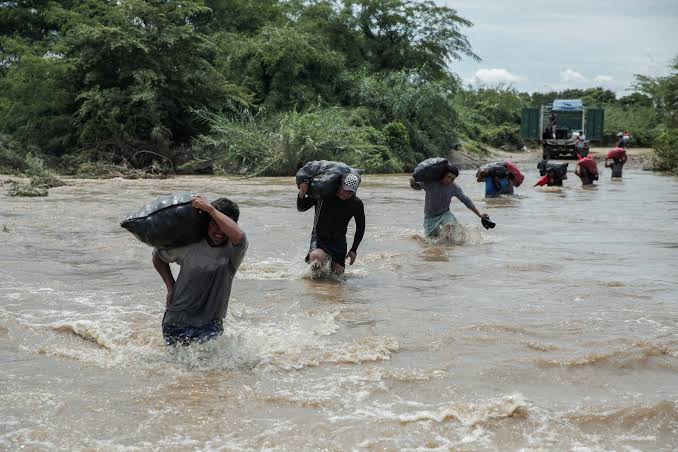
Despite the optimistic forecast, the IMD has advised states and farmers to remain alert to localized weather fluctuations, including heavy rain events, which could lead to waterlogging or flash floods in some areas.
The department will continue issuing weekly and district-level advisories to assist farmers in planning their operations more efficiently. The Ministry of Agriculture has also instructed state departments to strengthen coordination for input supply, crop insurance coverage, and contingency planning.
With July shaping up to deliver much-needed rains, all eyes are now on how the season unfolds and how effectively the agricultural sector can harness the benefits of a strong monsoon to ensure a successful Kharif harvest.


 By