Australia’s agricultural sector is grappling with a deepening workforce crisis, as a growing shortage of young workers threatens the long-term sustainability of farming and food production across the country.
Industry leaders and government officials are raising alarm over what they’re calling a “youth drought” a significant decline in the number of young Australians entering agricultural careers. With an aging farming population and fewer new entrants, the sector is facing mounting pressure to find solutions before the situation becomes irreversible.
Alarming Labor Gap
According to the National Farmers’ Federation (NFF), the average age of an Australian farmer is now over 58, with less than 5% of workers under the age of 30. The labor shortage has intensified over the past five years, compounded by international border closures, declining rural populations, and shifting career interests among young Australians.
“This isn’t just a workforce issue — it’s a national food security issue,” said NFF President Fiona Simson. “If we don’t act now to attract and retain the next generation of farmers, Australia’s food and fibre supply is at risk.”
Barriers to Youth Participation
Several factors are contributing to the youth drought:
- Lack of awareness and exposure to agricultural careers in schools
- High costs of land ownership and equipment, making it hard for young people to enter the industry
- Urban drift, with young Australians moving to cities for education and employment
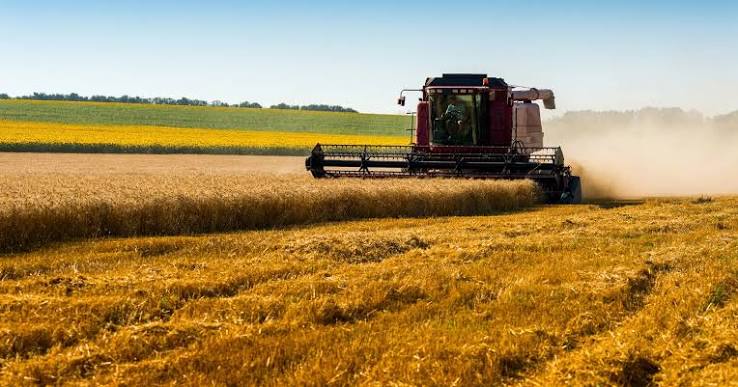
- Perception of agriculture as physically demanding and low-tech, despite advances in agri-tech and innovation
Calls for Action
In response, industry groups are calling for urgent investment in agricultural education, skills training, and youth engagement programs. Proposals include expanding school-based ag programs, increasing funding for ag-tech apprenticeships, and offering financial incentives for young farmers.
Federal Agriculture Minister Murray Watt acknowledged the issue and confirmed that the government is working on a national agricultural workforce strategy. “We need to make farming an attractive, viable, and modern career path for young Australians,” he said.
Technology Can’t Fill All the Gaps
While automation and agri-tech have helped offset some labor shortages, experts warn that technology alone cannot solve the workforce crisis.
“There are still roles that require hands-on labor, decision-making, and local knowledge,” said Dr. Susan Lee, a rural workforce analyst at the University of New England. “Human capital is still central to agricultural success especially in smaller, family-run operations.”
Inspiring the Next Generation
Efforts are underway in some regions to reconnect youth with farming. Programs like “AgCAREERSTART” and “Farm Experience Days” have shown promise in rural and regional schools, but their reach remains limited.
Young farmer James Holloway, 27, from Victoria, believes the narrative around agriculture needs to change. “Farming today is about technology, science, business it’s not just about tractors and hard labor. But we’re not telling that story well enough.”
The Road Ahead
As Australia’s agriculture sector pushes toward a goal of becoming a $100 billion industry by 2030, the youth workforce shortage stands out as a major hurdle. Without a new generation ready to take the reins, the future of the nation’s food and fibre production remains uncertain.
Stakeholders agree: reversing the youth drought will require a national effort one that combines policy, education, innovation, and inspiration.


 By
By