

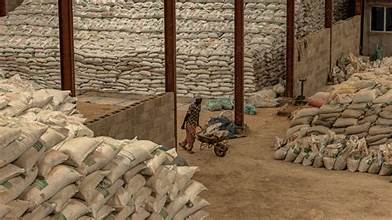
Agricultural systems across Africa are demonstrating notable resilience despite ongoing disruptions in global fertilizer supplies. Triggered largely by geopolitical conflicts and trade constraints, the fertilizer crisis has posed significant challenges for farmers across the continent. However, adaptive strategies and local innovations are helping sustain production, even as high input costs continue to pressure agricultural productivity.
Fertilizers remain a critical component of modern farming, directly influencing crop yields and soil health. In many African countries, the reliance on imported fertilizers makes the sector particularly vulnerable to global price volatility and supply disruptions. Over the past few years, rising costs and limited availability have forced farmers to rethink traditional practices and explore alternative approaches.
One of the key responses has been the increased adoption of organic and locally sourced inputs. Farmers are turning to composting, animal manure, and biofertilizers to partially replace chemical fertilizers. While these alternatives may not fully match the efficiency of synthetic inputs, they are helping reduce dependency on imports and lower production costs in the long term.
Governments and agricultural organizations across Africa have also stepped in with supportive measures. Several countries are promoting domestic fertilizer production, offering subsidies, and investing in soil health programs. These initiatives aim to strengthen local supply chains and improve access to inputs for smallholder farmers, who form the backbone of the continent’s agriculture.
In addition, digital advisory services and extension programs are playing a growing role in guiding farmers. Through mobile-based platforms, farmers receive real-time recommendations on efficient fertilizer use, crop management, and climate-smart practices. Such interventions are helping optimize input usage and maintain yields under challenging conditions.
Despite these adaptive efforts, the challenges remain substantial. High input costs continue to limit the scale of fertilizer application, which can lead to lower crop productivity. In regions already facing food insecurity, reduced yields may further strain food availability and affordability.
Climate variability adds another layer of complexity. Irregular rainfall patterns, droughts, and floods are affecting crop performance, making it even more difficult for farmers to achieve stable output. Combined with economic pressures, these factors highlight the fragile balance that African agriculture must maintain.
Experts note that the current situation underscores the importance of building long-term resilience in food systems. Investments in local input production, sustainable farming methods, and infrastructure will be crucial for reducing vulnerability to global shocks. Strengthening regional trade and cooperation can also help stabilize supply chains and ensure better distribution of resources.
While the fertilizer crisis continues to test the sector, Africa’s response reflects a growing capacity for adaptation and innovation. With the right mix of policy support and technological advancement, the continent has the potential to not only overcome current challenges but also build a more self-reliant and sustainable agricultural future.


 By
By











