

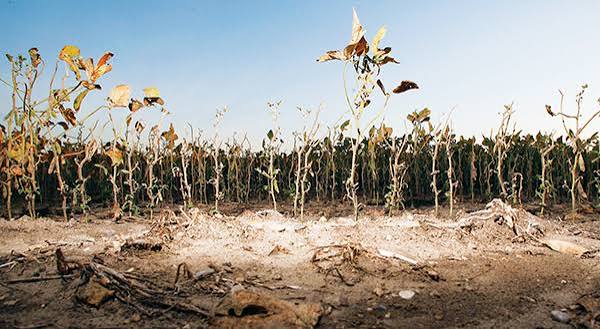
Agricultural drought risks are increasing across several vulnerable regions of the world as increasingly unpredictable weather patterns threaten crop production, livestock and rural livelihoods. Analysis by the Food and Agriculture Organization of the United Nations (FAO) has identified elevated agricultural drought risks in the Sahel, Southern Africa, South and Southeast Asia, Central America’s Dry Corridor and the Caribbean.
The warning highlights growing concerns over the ability of farmers in drought-prone regions to maintain agricultural production amid changing rainfall patterns and rising climate variability. Prolonged dry conditions can reduce soil moisture, damage crops, weaken livestock production and place additional pressure on already limited water resources.
Sahel Faces Persistent Agricultural Vulnerability
The Sahel is among the regions particularly exposed to agricultural drought. Farming and livestock production across much of the region depend heavily on seasonal rainfall, making rural communities vulnerable to changes in the timing, duration and intensity of precipitation.
A prolonged shortage of rainfall can reduce crop yields and pasture availability. Livestock producers may face shortages of drinking water and animal feed, increasing the risk of livestock losses and reduced household incomes.
For communities that rely heavily on agriculture for both food and livelihoods, drought can quickly develop into a wider food-security challenge.
Southern Africa Under Pressure
Parts of Southern Africa are also facing elevated drought risks. Water shortages can affect cereal production, grazing lands and agricultural activities across the region.
Lower crop production can reduce local food availability and increase reliance on markets and imports. At the same time, drought-related production losses can increase food prices, placing additional pressure on low-income households.
Improving water management, expanding irrigation where sustainable and promoting drought-tolerant crops could help farmers reduce their exposure to prolonged dry conditions.
South and Southeast Asia Face Rising Risks
Agricultural drought is also a concern across parts of South and Southeast Asia, where large farming populations depend on seasonal rainfall and irrigation systems.
Rice, wheat, maize, pulses and other important crops can be affected when rainfall is insufficient or arrives at the wrong time. Water shortages can also increase competition between agriculture, households and other sectors.
For smallholder farmers, reduced rainfall can mean lower yields and higher costs for irrigation, seeds and other inputs. Repeated drought events could also weaken household resilience by reducing farm income over successive seasons.
Central America’s Dry Corridor and the Caribbean
The Dry Corridor of Central America remains another region vulnerable to agricultural drought. Farmers in this area frequently face irregular rainfall, high temperatures and extended dry periods.
Drought can affect staple crops such as maize and beans, which are important to household food supplies. Production losses can increase dependence on food purchases and humanitarian assistance.
Several Caribbean countries also face water and agricultural risks due to their exposure to variable rainfall and extreme weather. Limited land and freshwater resources can make agricultural recovery particularly difficult after prolonged dry periods.
Impact on Global Food Security
Drought does not only affect farmers. Large-scale agricultural losses can disrupt food supplies, increase commodity prices and create additional pressure on humanitarian systems.
When several major agricultural regions experience weather stress at the same time, international markets can become more volatile. Reduced supplies of cereals and other staple commodities may increase import costs for countries that depend heavily on global markets.
This makes early warning systems and rapid action increasingly important.
Need for Climate-Resilient Agriculture
FAO’s assessment highlights the importance of preparing farmers before drought conditions become severe. Investments in drought-resistant crop varieties, efficient irrigation, rainwater harvesting, soil-moisture conservation and improved weather forecasting can strengthen agricultural resilience.
Farmers can also benefit from diversification, improved soil health and farming practices that reduce water losses.
Governments and international organisations will need to strengthen drought monitoring and ensure that vulnerable farming communities receive timely support.
Early Action Could Reduce Future Losses
The growing agricultural drought risk across the Sahel, Southern Africa, South and Southeast Asia, Central America and the Caribbean demonstrates the increasing complexity of global climate risks.
With weather patterns becoming more volatile, protecting food production will require stronger early-warning systems, climate-smart farming and better management of water and natural resources.
Early intervention can help farmers protect crops and livestock before conditions deteriorate, reducing both economic losses and food-security risks. For millions of agricultural communities already vulnerable to climate shocks, improving resilience could be critical to maintaining stable food supplies in the years ahead.


 By
By











