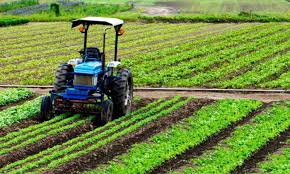
India’s agriculture sector recorded a robust 10.4% growth in Gross Value Added (GVA) in 2024–25, according to provisional estimates, underscoring the sector’s resilience and its expanding contribution to the national economy. The growth reflects strong performance across crops, livestock, fisheries, and horticulture, supported by favourable production conditions, policy support, and improving market linkages.
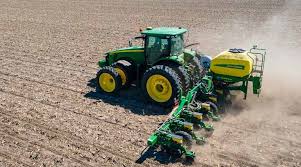
Crop output remained a key driver, with higher yields reported in major foodgrains and commercial crops. Timely monsoons in several regions, improved seed adoption, and wider use of farm mechanisation helped stabilise production despite localised weather variability. Increased procurement and better price realisation for select crops also contributed to farm incomes, reinforcing the overall value addition from agriculture.
The livestock sector continued to show steady expansion, benefiting from rising demand for milk, eggs, and meat products. Investments in breed improvement, animal health services, and fodder availability supported productivity gains, while organised dairy and poultry value chains strengthened market access for producers. Livestock’s growing share in agricultural GVA highlights its role as a stabilising income source, particularly for small and marginal farmers.
Fisheries and aquaculture emerged as another high-growth segment, driven by inland aquaculture expansion, better hatchery infrastructure, and export demand for fish and shrimp. Government programmes promoting sustainable fishing practices and cold-chain development further supported value addition in the sector. Coastal and inland fisheries both contributed to employment generation and rural incomes.
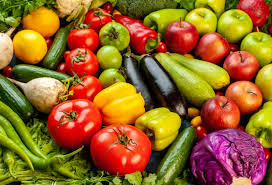
Horticulture—including fruits, vegetables, spices, and plantation crops—also recorded healthy growth. Improved post-harvest handling, storage facilities, and processing capacity helped reduce losses and increase marketable surplus. Rising domestic consumption and export opportunities for high-value produce added momentum to the segment.
Economists note that the strong GVA growth in agriculture comes at a time when the sector is expected to play a larger role in inclusive growth, food security, and rural demand. Continued focus on irrigation efficiency, climate-resilient practices, diversification toward high-value crops, and stronger agri-value chains will be critical to sustaining this momentum.
Overall, the 10.4% rise in agriculture GVA in 2024–25 signals a positive outlook for the rural economy, reinforcing agriculture’s importance as both a growth engine and a stabilising force within India’s broader economic framework.

 By
By