Artificial intelligence (AI) and natural language processing (NLP) are increasingly being recognized as powerful instruments in the fight against global food insecurity. Policy experts and development institutions argue that advanced data analytics can significantly enhance governments’ ability to anticipate crises, design responsive policies, and strengthen food system resilience.
Global hunger remains a persistent challenge, with supply chain disruptions, climate variability, conflict, and economic instability exacerbating vulnerabilities. Organizations such as the Food and Agriculture Organization and the World Food Programme have repeatedly emphasized the need for more agile, data-driven decision-making frameworks to manage complex food systems.
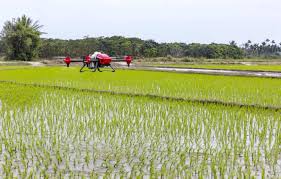
AI-powered tools are now being deployed to process vast volumes of agricultural, economic, and climatic data in real time. Machine learning models can detect early warning signals of crop failures by analyzing satellite imagery, weather forecasts, and soil data. This predictive capability enables policymakers to activate contingency plans before food shortages escalate into humanitarian crises.
Natural language processing adds another layer of capability by transforming unstructured data—such as policy documents, research papers, social media feeds, and field reports—into actionable insights. Governments can use NLP systems to monitor market sentiment, track price volatility, and identify emerging supply chain disruptions across regions. By automating the extraction of trends from large datasets, NLP reduces the time required to formulate targeted interventions.
Policy analysts also point to AI’s ability to simulate policy outcomes. Advanced modeling systems can evaluate the potential impacts of subsidy reforms, export restrictions, or climate adaptation strategies, allowing decision-makers to weigh trade-offs before implementation. This evidence-based approach enhances transparency and reduces the risk of unintended consequences.
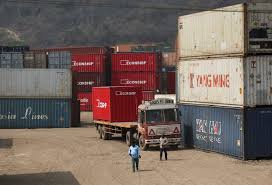
At the institutional level, AI platforms are helping streamline food aid distribution. Algorithms can optimize logistics routes, improve beneficiary targeting, and reduce duplication in emergency relief operations. In parallel, AI-driven dashboards provide governments with integrated views of agricultural productivity, import dependency, and vulnerability indicators.
However, experts caution that technological deployment must be accompanied by robust governance frameworks. Data privacy, algorithmic bias, and digital infrastructure gaps remain significant concerns, particularly in low-income countries. Capacity building and equitable access to digital tools are viewed as essential to ensuring AI benefits vulnerable populations.
As food systems grow increasingly complex, the integration of AI and NLP into policy analysis and crisis response mechanisms is gaining momentum. While technology alone cannot eliminate hunger, experts argue it offers governments and institutions a strategic advantage in anticipating risks and delivering more precise, timely interventions to safeguard global food security.


 By
By