

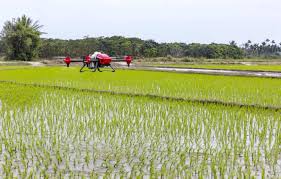
Scientists have unveiled an innovative biological coating known as SafeWax, a next-generation crop protection technology designed to shield plants from diseases and environmental stress without relying on conventional chemical pesticides. Researchers say the breakthrough could significantly advance sustainable agriculture and support the global transition toward climate-smart farming systems.
SafeWax is described as a bio-based protective layer applied directly to seeds or plant surfaces. Unlike synthetic agrochemicals that target pests through toxic action, the coating works by enhancing the plant’s natural defense mechanisms and forming a protective barrier against pathogens. The formulation is reportedly derived from biodegradable biological compounds, ensuring minimal environmental impact.
Laboratory and field trials indicate that crops treated with SafeWax show improved resistance to fungal infections and bacterial diseases. In addition, the coating appears to enhance tolerance to abiotic stress factors such as drought, heat waves, and fluctuating soil moisture—conditions that are becoming more frequent under climate change scenarios. By reinforcing plant resilience, researchers believe the technology can help stabilize yields in vulnerable agro-climatic zones.
One of the major advantages of SafeWax lies in its potential to reduce chemical pesticide usage. Excessive application of synthetic pesticides has long been associated with soil degradation, water contamination, and risks to human health. A biological alternative that maintains productivity while lowering chemical inputs could significantly reduce agriculture’s ecological footprint.
Agricultural sustainability experts note that such innovations align closely with the objectives promoted by global institutions like the Food and Agriculture Organization, which advocates for integrated pest management and environmentally responsible crop protection strategies. By integrating biological coatings into seed treatment and crop management systems, farmers may be able to cut input costs while meeting stricter residue standards in export markets.
Developers of SafeWax are reportedly exploring commercialization pathways, including partnerships with agri-biotech firms and pilot programs with farmer cooperatives. Scaling production and ensuring affordability will be critical to widespread adoption, particularly among smallholder farmers in developing regions.
While further large-scale validation is necessary, the early results position SafeWax as a promising tool in the push toward pesticide-free, climate-resilient agriculture. If successfully adopted, the technology could represent a meaningful shift in how crops are protected—moving from reactive chemical control toward proactive biological resilience.


 By
By











