A widespread drought affecting more than half of the United States is emerging as a serious threat to global food security, with experts warning of rising prices across key agricultural commodities. The prolonged dry conditions have significantly impacted crop production, livestock health, and supply chains, creating ripple effects that are now being felt in international markets.
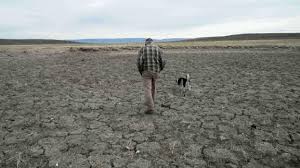
According to recent agricultural and climate assessments, large parts of the U.S.—particularly major farming regions such as the Midwest and Great Plains—are facing below-average rainfall and depleted soil moisture levels. These regions are crucial for the production of staple crops like corn, soybeans, and wheat. Any disruption in their output has direct implications for global supply, as the U.S. remains one of the world’s largest exporters of agricultural products.
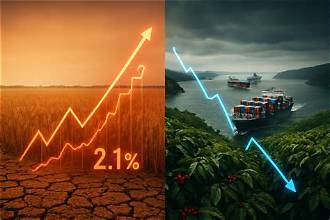
The drought has already begun to affect fresh produce availability. Fruits and vegetables, especially those requiring consistent irrigation, are seeing reduced yields. This shortage is pushing prices upward in both domestic and export markets. Retailers and wholesalers are reporting noticeable increases in procurement costs, which are gradually being passed on to consumers.
The livestock sector is also under pressure. Reduced pasture quality and rising feed costs are forcing farmers to either cut down herd sizes or spend more on maintaining them. This is contributing to higher prices for meat and dairy products. In addition, water scarcity is increasing operational challenges, further straining production systems.
Global markets are particularly sensitive to such developments due to the interconnected nature of food supply chains. Countries that rely heavily on U.S. imports are beginning to feel the impact. Import-dependent nations in Asia and Africa are witnessing price volatility, especially for grains and processed food products. The situation is further complicated by existing logistical disruptions and rising transportation costs.
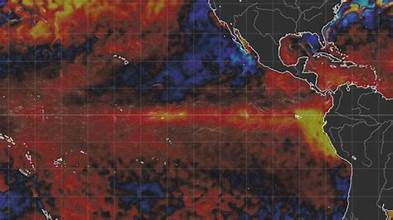
Climate experts link the severity of the drought to broader patterns of climate change, including rising temperatures and shifting precipitation cycles. These long-term changes are making weather events more unpredictable and extreme, increasing the vulnerability of agricultural systems worldwide.
Economists warn that if the drought persists into the next growing season, the pressure on global food prices could intensify further. Governments and international organizations are closely monitoring the situation and may consider strategic interventions such as releasing buffer stocks or adjusting trade policies to stabilize markets.
For consumers, the immediate impact is already visible in the form of rising grocery bills. Fresh produce, meat, and imported food items are becoming more expensive, signaling a period of sustained inflation in the food sector. For farmers, especially those in drought-affected regions, the crisis underscores the urgent need for climate-resilient agricultural practices and better water management systems.
As the situation unfolds, the U.S. drought is shaping up to be more than a regional crisis—it is a global concern with far-reaching economic and food security implications.


 By
By